
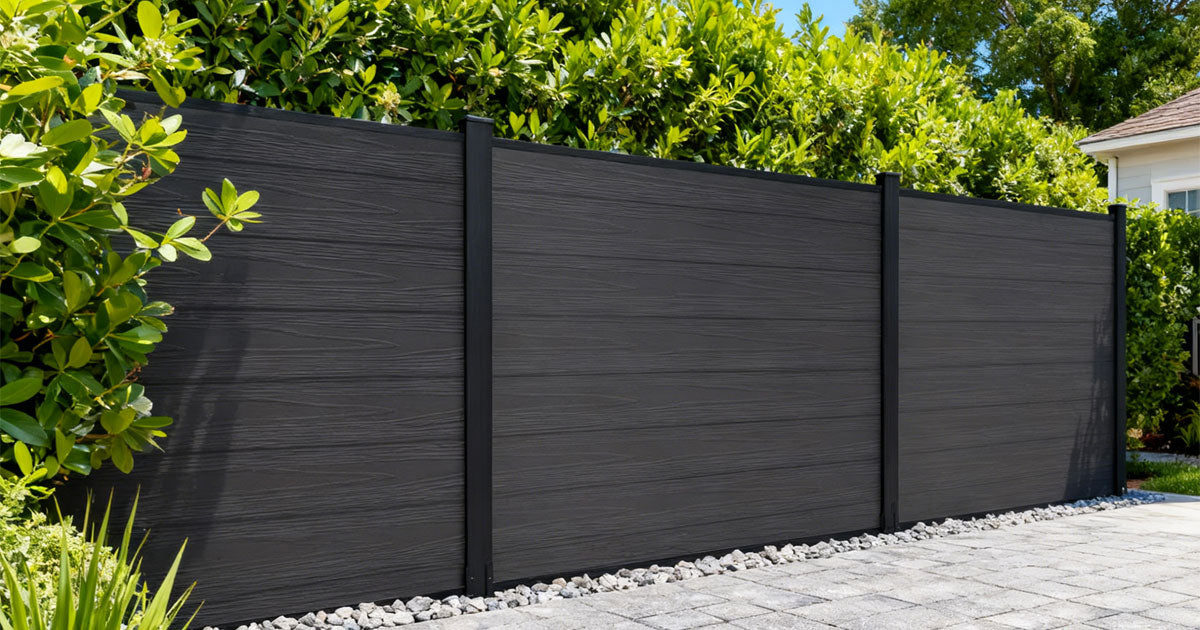
Are Composite Fences Worth the Money? A Practical Guide to Investment Value and Durability
 Composite fences offer a durable and low-maintenance alternative to traditional wood or metal fencing. They combine materials such as plastic and wood fibers to deliver resistance against weathering, rot, and insect damage. This makes them appealing to homeowners looking for long-term value without frequent upkeep.
While composite fences typically cost more upfront than conventional options, their longevity and minimal maintenance often make them worth the investment over time. They provide a modern appearance with fewer repairs and repainting expenses. However, the choice depends on factors like budget, aesthetic preference, and how long the fence will remain in place.
Understanding both the benefits and costs is essential before deciding. This post will explore these aspects to help readers determine whether composite fencing aligns with their needs and expectations.
What Are Composite Fences?
Composite fences combine different materials to offer durability and low maintenance. They aim to mimic the look of traditional wood fencing while providing enhanced weather resistance and longevity. Various compositions and designs allow customization depending on aesthetic and functional needs.
Definition and Composition
A composite fence is made by blending wood fibers or sawdust with plastic polymers. This mixture creates a material that retains the natural appearance of wood but resists rot, warping, and insect damage better than traditional wood.
The plastic component is usually recycled polyethylene or similar durable resin. The ratio and treatment of these materials influence the fence’s strength and weather resistance.
This composition results in a fence material that does not require annual painting or staining, reducing long-term upkeep. It also tends to be heavier and denser than pure wood, improving stability.
Key Features
Composite fences offer several key advantages. They are resistant to moisture, decay, and insects, which helps prevent common fence damage. This resistance contributes to a longer lifespan compared to untreated wood fences.
They require minimal maintenance, usually only occasional cleaning with soap and water. Their ability to retain color and finish over time reduces the need for refinishing or replacement.
Additionally, composite fences often come in modular panels for straightforward installation. Some designs include hidden fasteners or interlocking boards to enhance visual appeal and security.
Types of Composite Fencing
 There are multiple types of composite fencing based on the blend of materials and design. Common types include:
- Wood-Plastic Composites (WPC): The most popular, blending wood fibers with plastics.
- PVC Composite: Uses rigid PVC with wood elements, enhancing durability.
- Capstock Composite: Has a plastic coating over a wood-plastic core for extra protection.
Each type offers varying degrees of texture, color options, and UV resistance. Users select based on budget, environmental factors, and desired fence appearance.
How Much Do Composite Fences Cost?
Composite fences have a higher upfront cost compared to some traditional materials. However, installation fees and long-term maintenance expenses will impact the total investment. Understanding these costs side by side helps in evaluating the overall value.
Material Costs
Composite fencing materials generally cost between $25 and $45 per linear foot. The price varies depending on the brand, texture, and color options. Composite mixes often combine wood fibers and plastic, resulting in a product resistant to rot, pests, and weather.
Prices can be influenced by additional features such as reinforced framing or thicker panels. Compared to pure wood or vinyl, composite tends to be more expensive upfront but offers improved durability. The material cost covers posts, panels, rails, and sometimes hardware, which are all designed for long-lasting performance.
Installation Expenses
Installation costs for composite fences typically range from $15 to $30 per linear foot. Skilled labor is often required due to the weight and specific handling needs of composite materials. Installation may be quicker than that of traditional wood fences because panels are often pre-fabricated.
Additional expenses may include site preparation, removal of old fencing, and permits if necessary. Electric or mesh composite fences used in conservation may involve higher costs due to design complexities. Accurate measurement and professional installation impact overall efficiency and longevity.
Comparing Prices With Other Fencing Types
Wood fences tend to cost between $10 and $25 per linear foot, making them cheaper initially but often costlier over time due to maintenance. Vinyl fencing is closer in price to composite, generally around $20 to $40 per linear foot, but may have differing resilience. Metal fences like aluminum or steel can range widely but often exceed $40 per linear foot.
Composite fencing balances initial cost and lifespan better than many alternatives. Though pricier than wood, it avoids frequent staining or treatment costs. Vinyl and metal might have lower repair needs but differ in appearance and environmental resistance. Users must weigh upfront expense versus durability and upkeep needs carefully.
Pros and Cons of Composite Fencing
Composite fences offer a balance between durability, maintenance, and appearance. Understanding their advantages and limitations helps in deciding if they meet specific needs. They perform well in certain situations but may present some challenges depending on the context.
Benefits of Composite Fences
Composite fencing combines wood fibers and plastic, creating a material resistant to rot, insect damage, and warping. It requires minimal maintenance compared to traditional wood, needing only occasional cleaning without painting or sealing. This can save both time and money over years.
The material resists fading and staining better than wood, maintaining its appearance with use. It also offers sound dampening and privacy, which is valuable in residential areas. Additionally, many composite fences come in various colors and styles that mimic natural wood grain, improving curb appeal without the upkeep.
Potential Drawbacks
Composite fences are generally more expensive upfront than wood or vinyl alternatives. The cost includes the material and professional installation since panels can be heavier and more complex to handle.
Thermal expansion is a concern; composite panels can expand or contract with temperature changes, requiring careful installation and well-planned spacing. Additionally, though resistant, composites may still degrade under extreme UV exposure over long periods. Repairing damage can be more difficult than with traditional materials, often needing panel replacement rather than spot fixes.
Situations Where Composite Fencing Excels
Composite fencing works well in areas with high moisture or termite exposure since it resists rot and insects better than wood. Coastal properties benefit as composite material is less vulnerable to salt air corrosion.
They are ideal for homeowners seeking low maintenance but improved aesthetics compared to vinyl. They also suit environments where sound reduction and privacy are priorities because of their density and design flexibility.
In fenced spaces requiring durability with reduced upkeep—such as schools, parks, or residential neighborhoods—composites offer a practical, long-term choice.
Durability and Longevity
Composite fences offer a significant advantage in both structural strength and lifespan compared to many traditional fencing materials. Their performance in harsh weather conditions and extended usability make them a practical choice for long-term investment.
Weather Resistance
Composite fences resist moisture, rot, and insect damage more effectively than wood. They do not warp or crack due to repeated exposure to rain, humidity, or sunlight. This resistance is due to their mixture of plastic and wood fibers, which creates a barrier against environmental wear.
UV protection is often added during manufacturing, helping to prevent fading and surface degradation. Unlike metal fences, composites do not rust, and unlike untreated wood, they require minimal maintenance to retain their appearance and strength.
Lifespan Compared to Traditional Fencing
The typical lifespan of composite fences ranges from 25 to 30 years, depending on the product and climate conditions. In comparison, untreated wooden fences generally last 10 to 15 years, while plastic fencing may last around 15 years.
Composite fences maintain their structural integrity longer due to their resistance to environmental factors. They often come with warranties extending beyond 20 years, reflecting confidence in their durability.
| Material | Average Lifespan | Maintenance Required |
|---|---|---|
| Composite | 25-30 years | Low (cleaning, occasional inspection) |
| Wood (untreated) | 10-15 years | High (staining, sealing, repairs) |
| Plastic | 15 years | Moderate (cleaning, minor repairs) |
Maintenance Requirements
Composite fences require less frequent attention than wood but still need regular care to maintain appearance and function. Cleaning is straightforward, and repairs tend to involve fewer complications.
Cleaning and Upkeep
Composite fences resist stains and fading better than traditional wood fences. Routine cleaning involves rinsing with water and occasionally scrubbing with mild soap and a soft brush to remove dirt, algae, or mildew. Power washing is possible but should be done carefully to avoid damaging the surface.
Cleaning frequency depends on location; fences in shady, damp areas might need cleaning twice a year, whereas fences in dry, sunny spots may only require annual cleaning. Unlike wood, composite fences do not need painting, staining, or sealing, which reduces overall maintenance time and expense.
Repair Needs Over Time
Composite fences are less prone to rot, warping, and insect damage compared to wood. Minor scratches or dents can often be sanded out or concealed with matching repair kits available from manufacturers. If a fence panel is damaged beyond repair, it usually can be replaced individually without removing large sections.
Hardware such as screws and brackets might loosen over time and should be checked periodically. Composite materials tend to hold structural integrity longer but inspecting for any fading or surface wear is recommended every few years to address cosmetic issues early.
Aesthetic Appeal and Design Options
Composite fences offer a range of visual choices that enhance curb appeal while fitting various property styles. Their color and style options are designed to suit both modern and traditional tastes.
Available Colors and Styles

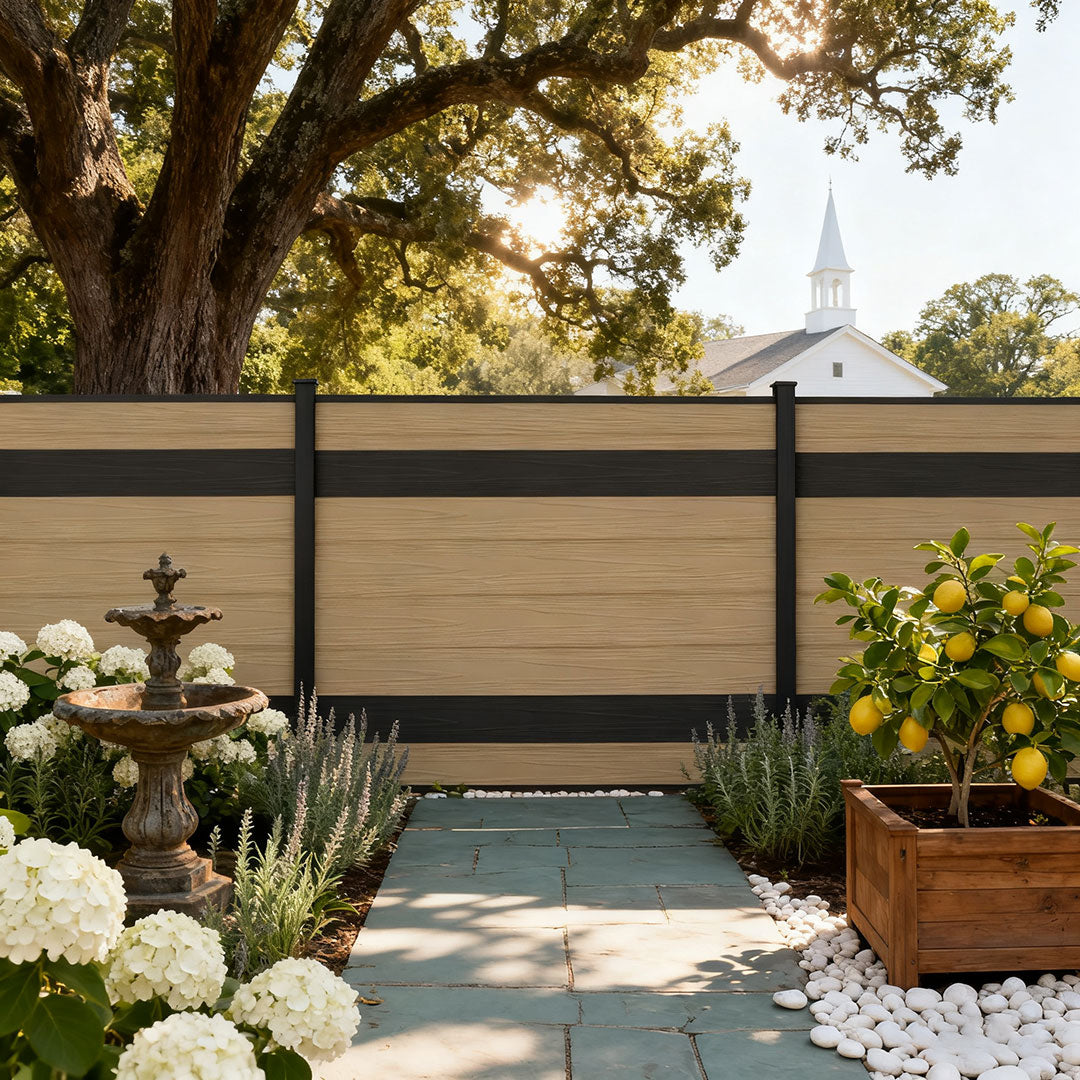
Composite fencing typically comes in earth tones like brown, gray, beige, and sometimes darker shades such as black or espresso. These colors are often fade-resistant, maintaining appearance with minimal upkeep.
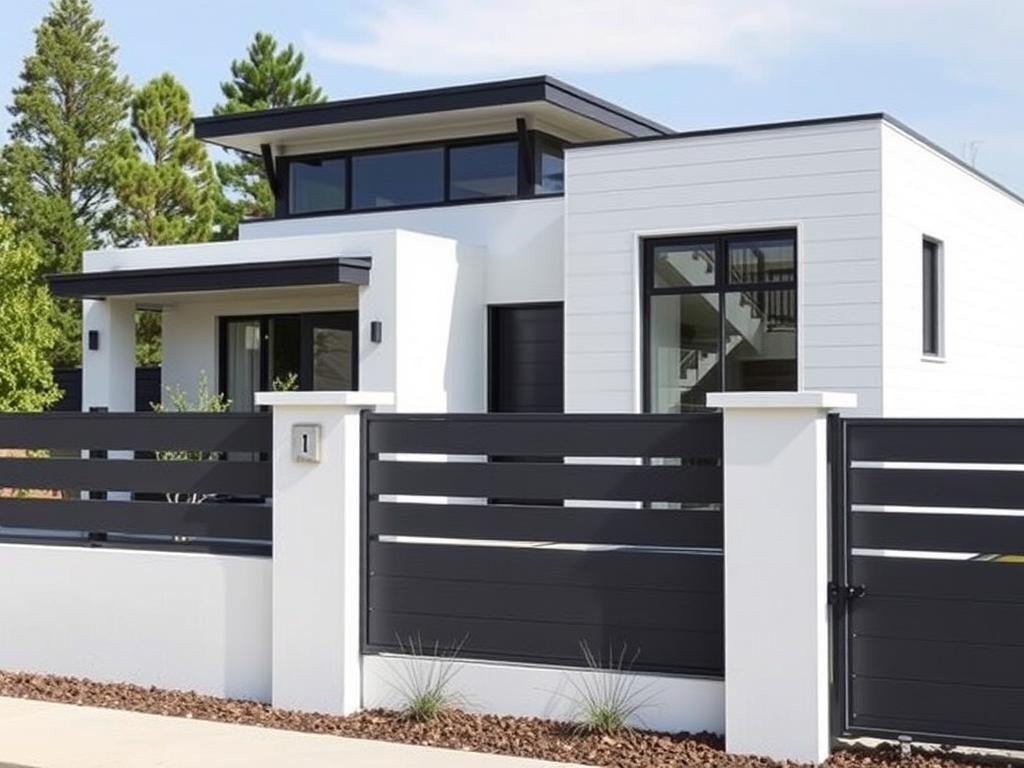
Styles vary from classic picket and privacy panels to horizontal slats and lattice tops. Some manufacturers offer customizable options including height, panel width, and post styles to match specific landscape designs or homeowner preferences.
The consistent texture and color uniformity reduce patchy or worn looks common in wood fences. Homeowners can select from smooth or wood-grain finishes, allowing visual variety without sacrificing durability.
Ability to Mimic Natural Materials
Composite materials are engineered to replicate the look of wood, including the grain patterns and texture. This helps blend the fence with natural surroundings without the maintenance concerns of real wood.
Unlike wood, composites do not splinter, warp, or crack over time, preserving their realistic appearance through weather changes. Some brands use embossing techniques to enhance the three-dimensional wood effect.
While plastic composites cannot fully match all the nuances of natural wood, they come close enough to satisfy most aesthetic demands while offering longer-lasting performance. This balance makes composite fencing a practical choice for those who want the look of wood without the related upkeep.
Environmental Impact
Composite fences differ from traditional materials in how they affect the environment during production, use, and disposal. These differences center largely on resource use, waste generation, and opportunities for recycling.
Sustainability and Recycled Content
Composite fencing often incorporates recycled plastics and wood fibers, reducing the need for virgin raw materials. Using such recycled content lowers reliance on timber harvesting and minimizes plastic waste entering landfills. However, the proportion of recycled materials varies by manufacturer and product.
The production process for composites can consume more energy than wood, but the longer lifespan and reduced maintenance needs can offset this initial input. Compared to untreated wood, composite fences resist rot and insect damage without chemical treatments, which decreases environmental harm from biocides. Overall, composites strike a balance between durability and resource conservation but depend on responsible sourcing and manufacturing practices to optimize sustainability.
End-of-Life Disposal
Disposal options for composite fences present challenges. These materials are not biodegradable like wood. Instead, they mainly end up in landfills or require specialized recycling processes that are less widely available.
While some composites can be mechanically recycled into lower-grade products, this is not yet common. Burning composites is discouraged due to potential toxic emissions. The lack of widespread recycling infrastructure limits their circular potential, which can increase environmental impact compared to biodegradable or fully recyclable materials. Proper disposal practices and improvements in recycling technology remain key to reducing end-of-life environmental risks for composite fences.
Return on Investment and Resale Value
Composite fences require a significant upfront investment, but their impact on property value and potential long-term savings can influence whether they are worth the money. Evaluating both factors helps determine their financial viability over time.
Impact on Property Value
Composite fences tend to increase property appeal due to their durability and low maintenance. Buyers often view them as a premium feature compared to traditional wood or chain-link fences. This can translate into higher property value or faster sale times.
The material resists weathering, warping, and insect damage, which reduces concerns about fence repair costs for potential buyers. The consistent appearance of composite fencing adds to the aesthetic appeal of the property, a factor that real estate agents note when pricing homes.
However, the increased value depends on neighborhood standards and market preferences. In areas where composite fencing is uncommon or seen as less attractive, its resale value impact may be limited.
Long-Term Cost Savings
Composite fences typically last 25-30 years or more, outlasting many wood fences. This longevity reduces the need for frequent replacement, which lowers total fencing costs over time.
Maintenance is minimal. Homeowners avoid annual staining, painting, or treating against rot and pests. This saves both time and money annually.
Though the initial expense is higher than wood or vinyl, the total cost of ownership—including repairs, replacements, and upkeep—is generally lower with composite fencing. This makes it a cost-effective solution for those looking for durable fencing without ongoing expenses.
Is a Composite Fence Worth the Money? Final Thoughts
Composite fences offer a balance between durability and low maintenance that many find appealing. While they typically come with a higher upfront cost than traditional wood fences, their lifespan of 15 to 20 years can justify the investment for some homeowners.
They resist rot, insects, and weather better than wood, reducing repair and replacement expenses over time. Additionally, composite materials often include recycled content, which can appeal to those interested in sustainability.
| Factor | Composite Fence | Wood Fence |
|---|---|---|
| Initial Cost | Higher | Lower |
| Maintenance | Low (no painting or staining) | High (regular sealing/painting) |
| Durability | 15-20 years | 10-15 years |
| Environmental Impact | Often made with recycled materials | Usually from new lumber |
Despite the advantages, composite fences may not suit every budget or aesthetic preference. They tend to be heavier and sometimes less customizable than wood.
For those prioritizing longevity with minimal upkeep, composite fencing can deliver value. However, others who prefer traditional looks or lower initial cost might choose wood or alternative materials instead.

Leave a comment
This site is protected by hCaptcha and the hCaptcha Privacy Policy and Terms of Service apply.