
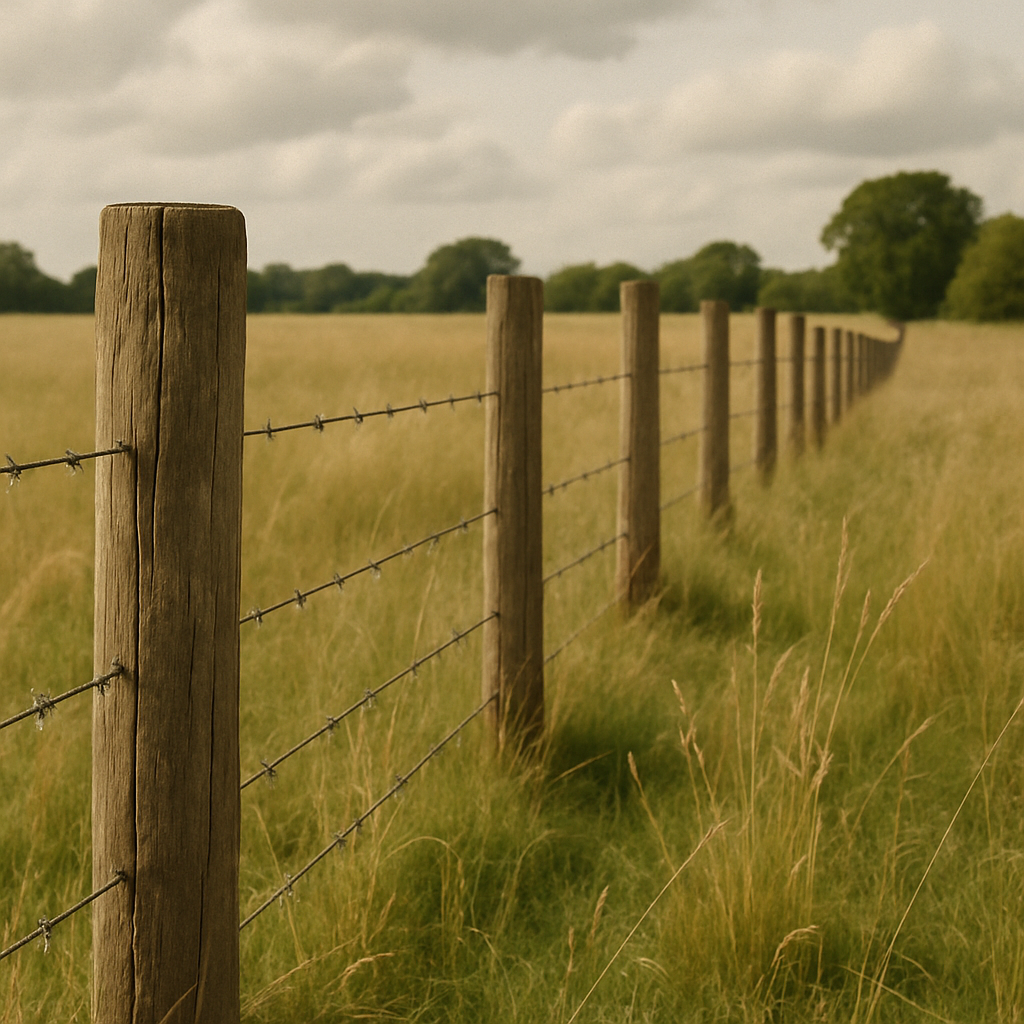
How Far Apart Should Fence Posts Be?
When constructing a fence, one of the most important considerations is how far apart the fence posts should be. Proper spacing ensures the fence is sturdy, looks good, and lasts a long time. Whether you're setting up a privacy fence, a field fence, or any other type of barrier, understanding the ideal fence post spacing is crucial. This article will guide you through the factors that influence fence post spacing and how to measure it effectively.

Factors Affecting Fence Post Spacing
Several factors determine how far apart to set your fence posts. Let's explore the main considerations:
Type of Fence
Different types of fences require different spacing between posts. Here's a quick rundown:
- Privacy Fences: Typically, these fences require closer post spacing to support the weight of the panels and provide the desired level of privacy. Posts are often spaced 6 to 8 feet apart.
- Field Fences: Used mainly in agricultural settings, these fences can have posts spaced further apart, usually 8 to 12 feet, depending on the terrain and the type of livestock being contained.
- Decorative Fences: These fences might require varying spacing based on the materials and design. Typically, posts are spaced 6 to 10 feet apart.
Material Used
The type of material used for the fence can also affect post spacing:
- Wooden Fences: Wood is strong but can be heavy, requiring posts spaced closer together, usually between 6 to 8 feet.
- Metal Fences: These can often be spaced further apart because metal is lighter and often stronger. Spacing can range from 8 to 12 feet.
- Vinyl Fences: Similar to wood in terms of weight but often more flexible, vinyl fences typically have post spacing of 6 to 8 feet.

Terrain and Soil Conditions
The terrain and the type of soil where the fence will be installed play a significant role in determining post spacing:
- Flat Terrain: On level ground, you can usually space posts further apart.
- Hilly or Uneven Terrain: Posts may need to be placed closer together to maintain stability and uniformity.
- Soil Type: Sandy or loose soil may require closer post spacing compared to rocky or clay-rich soil, which can provide more natural support.
Climate Considerations
In areas with extreme weather conditions, such as high winds or heavy snow, it's wise to space fence posts closer together to enhance durability and resistance to the elements.
How to Measure Fence Post Spacing
Knowing how to measure the distance between posts is essential for a successful fence installation. Here’s a step-by-step guide:
Step 1: Plan Your Fence
Draw a layout of where your fence will go. Include gates and any changes in direction. This plan will help you calculate the number of posts needed.
Step 2: Determine Post Spacing
Using the guidelines above, decide on the spacing appropriate for your type of fence. Refer to a fence post spacing chart if necessary.
Step 3: Mark the Fence Line
Use stakes and a string line to mark the fence line. This will serve as a guide when placing your posts.
Step 4: Measure and Mark Post Locations
Starting at one end, measure out the desired post spacing along the string line and mark each spot with a stake. Ensure the spacing is consistent for the entire fence.
Step 5: Adjust for Gates and Corners
Adjust post spacing as needed around gates and corners. These areas may require additional support.
Fence Post Size and Length
The size and length of the posts you choose are also essential factors in determining how far apart they should be.
Post Size
- Standard Posts: Typically 4x4 inches for most wood fences.
- Larger Posts: 6x6 inches for added strength, often used in high-wind areas or for taller fences.
Post Length
- Standard Height Fences: Posts should be 2 to 3 feet longer than the height of the fence to ensure they can be securely set in the ground.
- Taller Fences: May require even longer posts to maintain stability.

Maximum Distance Between Fence Posts
The maximum distance between fence posts depends on the factors outlined above. However, as a general rule:
- Wooden Fences: 6 to 8 feet
- Metal Fences: Up to 12 feet
- Vinyl Fences: 6 to 8 feet
Conclusion
Determining how far apart to place fence posts is a critical step in the fencing process. By considering the type of fence, material, terrain, and climate, you can ensure that your fence will be sturdy and long-lasting.
Remember, closer spacing generally offers greater support and durability. Use this guide to plan your fence post spacing accurately, and don't forget to check local regulations, as they may have specific requirements for fence construction.
With the right planning and execution, your fence will not only look great but will also provide the functionality and security you need.


Leave a comment
This site is protected by hCaptcha and the hCaptcha Privacy Policy and Terms of Service apply.