
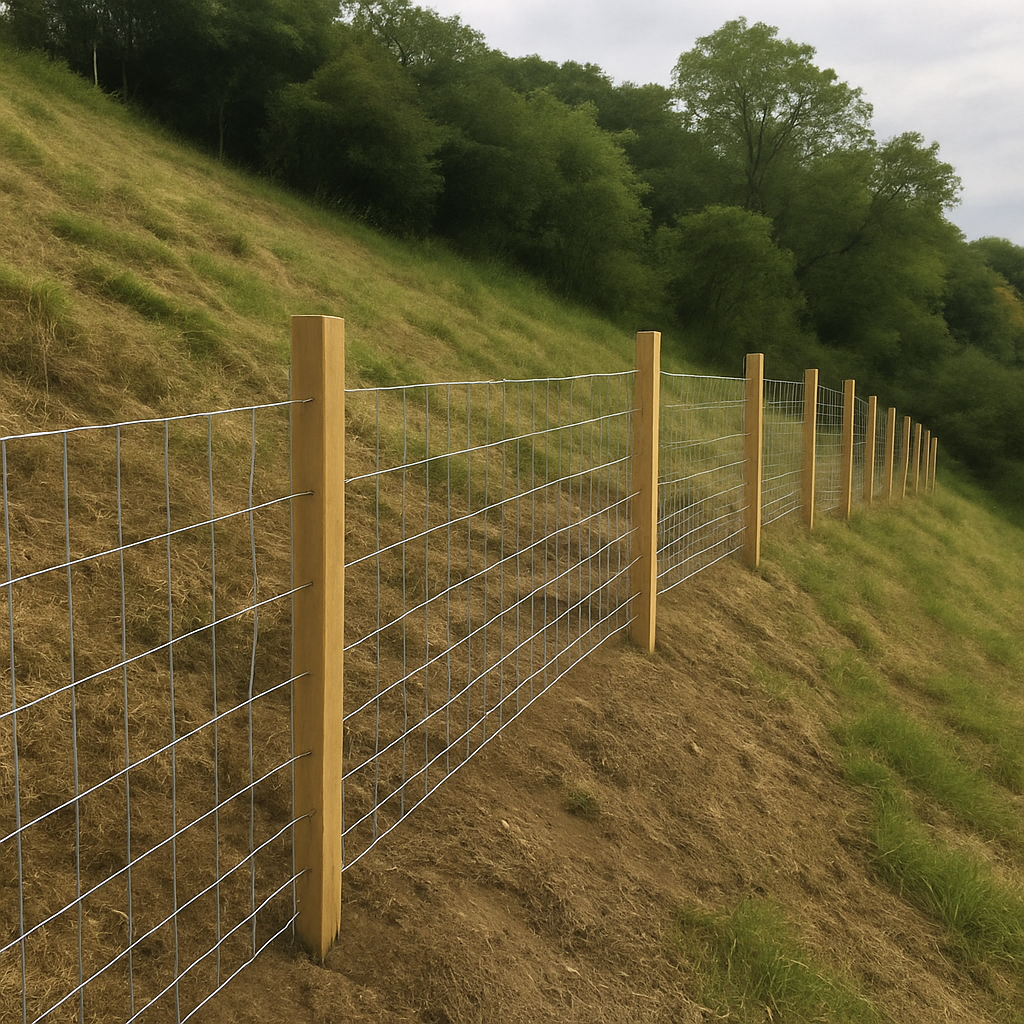
How Fences Help Prevent Soil Erosion: Practical Tips
Soil erosion is a pressing issue for many landowners. It can lead to the loss of fertile soil and damage landscapes.
Fences offer a practical solution for soil erosion prevention. They act as barriers, slowing down water runoff and protecting the soil.
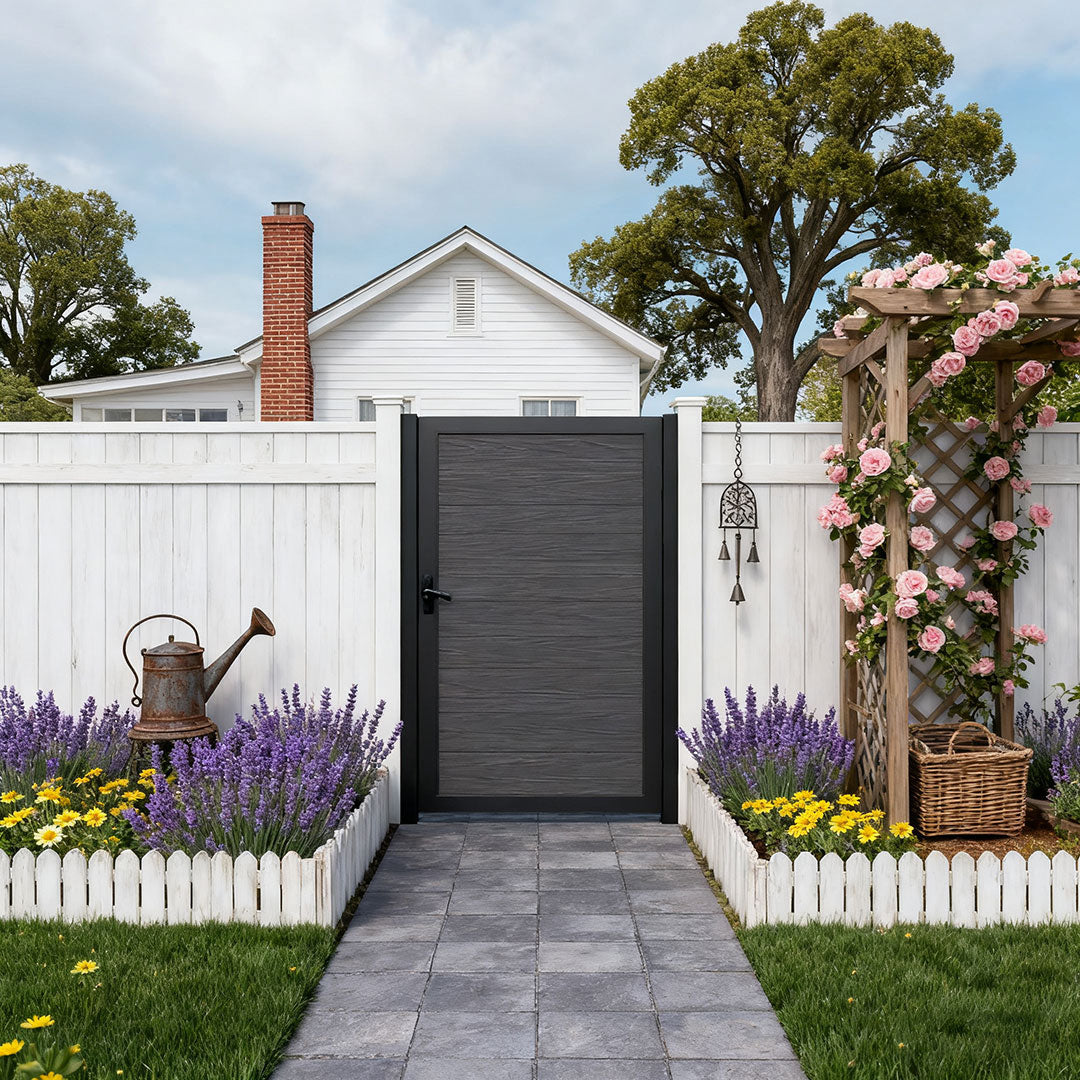
Different types of fencing, like aluminum and composite, provide unique benefits. Aluminum fencing is durable and low-maintenance, while composite fences are eco-friendly.
Choosing the right fence involves considering the landscape and local climate. Proper installation is crucial for maximizing effectiveness.
Fences can be combined with other soil stabilization techniques for enhanced erosion control. This includes planting vegetation and using mulch.
Understanding how fences help prevent soil erosion can lead to sustainable land management. It’s a step towards preserving our environment.
Understanding Soil Erosion and Its Impact
Soil erosion occurs naturally but can be worsened by human activities. It's the displacement of the topsoil, which is vital for plant growth.
Erosion impacts the environment and agriculture, leading to the loss of fertile land and nutrients. This can reduce crop yields and biodiversity.
There are various causes of soil erosion:
- Water runoff from heavy rains
- Wind blowing over exposed soil
- Human activities like farming and deforestation

The consequences extend beyond the immediate area. Sediment can pollute waterways, affecting aquatic life and water quality.
Understanding soil erosion is essential to combat its effects effectively. Through awareness, we can implement better erosion control methods.
Erosion impacts property value, making preventive strategies important for landowners. Addressing soil erosion is not just an environmental issue but an economic one too.
The Role of Fencing in Soil Erosion Prevention
Fences serve as effective barriers against soil displacement. They slow down water runoff, allowing the soil to absorb more moisture. This reduced water flow minimizes erosion.
Fencing also acts as a windbreak. By reducing wind speed across the soil surface, fences decrease the risk of wind erosion. This is particularly useful in open, windy areas.
Besides their practical benefits, fences can be integrated into various landscapes. They work well in both residential and agricultural environments, adapting to different terrains.

There are numerous advantages to using fences for erosion control, including:
- Preserving topsoil and nutrients
- Preventing landslides on steep slopes
- Enhancing property aesthetics while serving a functional role
Additionally, fences redirect water flow, ensuring it doesn't erode vulnerable areas. This strategic flow management helps maintain the integrity of your land. Therefore, fences are not only structural barriers but also strategic tools for landscape protection.
Types of Fences for Erosion Control
Choosing the right type of fence is crucial for effective soil erosion prevention. Different materials offer various benefits tailored to specific needs and landscapes.
A common choice is wooden fencing, which blends with natural surroundings. However, it requires regular maintenance to prevent rot and decay.
Metal fences, like aluminum and steel, are known for their strength and resilience. These are ideal in areas with harsh weather conditions. Their durability reduces the need for frequent replacements.
Composite fences, crafted from recycled materials, offer an eco-friendly alternative. They resist rot and pests, providing long-lasting protection.
Composite fences, crafted from recycled materials, offer an eco-friendly alternative. They resist rot and pests, providing long-lasting protection.

These fences work well for erosion control:
- Aluminum fencing
- Composite fencing
- Wooden fencing
- Steel fencing
Installation should consider terrain, climate, and soil type. This ensures the fence offers maximum erosion control benefits.

Each fencing type has unique features. Understanding their strengths will guide you in selecting the best option for your erosion control needs. Proper selection and installation are key to maintaining healthy, stable soil.
Aluminum Fencing: Durable and Low-Maintenance
Aluminum fencing stands out for its durability and minimal upkeep. It's a lightweight yet strong material, suited for diverse landscapes.
This fencing type resists rust, which is crucial for wet areas prone to erosion. Its sturdy construction withstands harsh weather, making it a reliable choice.
Aluminum fences are versatile in design, complementing different property styles. They can also be used as effective windbreaks in open spaces.

Benefits of aluminum fencing include:
- Resistance to rust and corrosion
- Lightweight and easy to install
- Adaptability to various designs
While installation is straightforward, ensuring proper anchoring is vital. This enhances their ability to prevent soil erosion. Aluminum's low maintenance demands make it a cost-effective, long-term solution.
Composite Fencing: Eco-Friendly and Long-Lasting
Composite fencing combines durability with environmental responsibility. Made from recycled plastic and wood fibers, it's an eco-friendly erosion control method.
This type of fencing is resistant to rot, decay, and insect damage. These qualities extend its lifespan, reducing the need for replacements.
Composite fences are also aesthetic, offering a variety of colors and styles. They provide a natural look while performing their functional role.

Key advantages of composite fencing include:
- High resistance to rot and insects
- Sustainable production from recycled materials
- Long-term durability with minimal maintenance
Their installation creates stable barriers against erosion, enhancing landscape protection. Composite fencing is an excellent choice for those prioritizing sustainability and longevity in their property management.
How to Choose the Right Fence for Your Landscape
Selecting the appropriate fence for your landscape involves several considerations. First, assess your specific erosion challenges. This understanding will guide you in choosing materials and designs that meet your needs.
Consider the climate conditions in your area. Some materials, like composite fencing, are better suited to damp environments due to their resistance to moisture. In contrast, metal fences like aluminum are perfect for variable weather due to their strength.
Next, evaluate the slope and drainage patterns of your land. These factors influence the effectiveness of a fence in controlling erosion. Fences on steep slopes may need additional reinforcement or combined with other erosion control methods.

Consider these factors when choosing a fence:
- Climate and weather conditions
- Slope and drainage patterns
- Material durability and maintenance needs
Finally, think about aesthetic preferences and budget constraints. Your fence should enhance your property visually while serving its intended practical function. Balance cost with long-term benefits to maximize your investment in landscape preservation.
Practical Tips for Installing Fences for Soil Erosion Prevention
Proper installation of fences is crucial for effective soil erosion prevention. Start by thoroughly planning your installation layout. Consider the contours and shape of your landscape to align fences optimally.
Ensure the foundation is solid and secure. This step is vital, especially on uneven or sloped terrains, to prevent fence instability. Using the right tools and techniques is key for a professional finish.
Choose quality materials that can withstand environmental conditions. Whether using aluminum, composite, or other materials, quality ensures durability and long-term performance.

Here are some practical tips to keep in mind:
- Test soil stability before installation
- Use appropriate tools for the specific fence type
- Reinforce areas with loose soil for better hold
Lastly, consult with experts if you encounter challenges. Professional advice can help overcome installation obstacles, ensuring your fence effectively prevents soil erosion over time. Investing time in proper installation saves long-term maintenance costs and enhances your fence's effectiveness.
Combining Fencing with Other Soil Stabilization Techniques
Integrating fences with other soil stabilization techniques enhances erosion control. Fences act as a backbone for a multi-layered approach, ensuring more comprehensive protection.
Pair your fence installation with vegetation planting. Plants, with their roots, help bind soil particles, complementing the physical barrier provided by fences. This combination not only prevents erosion but also improves the landscape's aesthetics.

Another method is using mulch or ground cover. Spread mulch around the fenced areas to absorb rainfall impact and reduce water runoff. This simple addition can significantly boost soil retention and stability.
Consider these complementary techniques:
- Planting erosion-resistant vegetation
- Applying mulch around fence bases
- Implementing terraces or retaining walls
By adopting a holistic approach, you reinforce your soil erosion prevention efforts. Combining techniques offers a robust defense against environmental challenges, ensuring long-lasting soil health and landscape integrity.
Maintenance and Longevity: Keeping Your Erosion Control Fence Effective
Regular maintenance is crucial for the longevity of your erosion control fence. It ensures your investment continues to serve its purpose effectively.
Begin by inspecting the fence periodically for signs of damage. Look for loose posts, broken panels, or any signs of wear that might compromise its function.
Address minor issues promptly to prevent them from becoming larger problems. Consider these maintenance tips:
- Tighten or replace loose fasteners
- Check for rust in metal components
- Trim vegetation that could damage the fence
Consistent upkeep not only extends the life of your fencing but also maintains its efficacy in preventing soil erosion. By staying proactive, you'll safeguard both your fence and the soil it protects.
Frequently Asked Questions About Fencing and Soil Erosion Prevention
When it comes to using fences for soil erosion prevention, homeowners often have several questions. Here, we address a few common queries to provide clarity.
FAQs about Fencing and Soil Erosion:
- What type of fence is best for my landscape?
- How do fences help with soil erosion prevention?
- Can I install a fence myself, or should I hire a professional?
- How often should I maintain my erosion control fence?
Addressing these questions helps ensure that you can implement effective erosion control methods tailored to your specific needs, resulting in a sustainable and protected landscape.
Conclusion: Sustainable Erosion Control with Fencing Solutions
In conclusion, fencing serves as a powerful tool in the battle against soil erosion. Its effectiveness lies in versatility and adaptability, making it a key component of sustainable land management.
By choosing the right materials and installation techniques, fencing not only protects the landscape but also enhances its beauty. This holistic approach to erosion control supports environmental conservation and ensures the long-term stability of your property.


Leave a comment
This site is protected by hCaptcha and the hCaptcha Privacy Policy and Terms of Service apply.