

Best Materials for Windy Area Fences
Choosing the right fence for a windy area is crucial. It must withstand strong gusts while maintaining privacy.
Windy regions demand fences that are both durable and effective. The wrong choice can lead to frequent repairs.
Materials like aluminum and composite are popular for their strength and low maintenance. They resist harsh weather well.
Vinyl and treated wood also offer great options. They combine durability with aesthetic appeal, perfect for outdoor privacy solutions.
Proper installation and design are key. They ensure the fence stands firm against the wind.
This guide explores the best materials for wind-resistant privacy fencing. Discover the ideal solution for your property.
Why Windy Areas Need Special Fencing Solutions
Windy areas present unique challenges for fencing. The force of the wind can damage poorly designed structures, leading to costly repairs.
Fences in these regions must be carefully chosen to endure strong winds and prevent tipping or breaking. This is especially crucial for maintaining privacy and security.
Selecting weather-resistant fencing is essential. This prevents potential damage from continuous exposure to harsh weather conditions. Choose the best fence for windy areas with care.
Key features to consider include:
-
Durability against high winds
-
Low maintenance requirements
-
Aesthetic compatibility with the environment
Properly installed, wind-resistant fences enhance property value and safety. They offer peace of mind knowing your outdoor spaces are secure.

Key Features of Wind-Resistant Privacy Fencing
Wind-resistant privacy fencing must possess specific qualities to handle tough conditions. Strength is paramount, ensuring fences can withstand wind without collapsing.
Look for materials that blend robustness with flexibility. This combination prevents breakage during strong gusts, maintaining the fence's structure and effectiveness.
Other considerations for wind-resistant fences include:
-
High-quality, durable materials
-
Adequate spacing for airflow
-
Resistant to rust, rot, and pests
Fences must also incorporate innovative designs to dissipate wind pressure. These features help balance privacy needs with functional durability, ensuring the fence remains intact over time. High-quality construction not only boosts resilience but also enhances aesthetic appeal. Ultimately, a well-designed wind-resistant fence can provide privacy and safety even in harsh weather conditions.
Top Materials for Wind-Resistant Fences
Selecting the best materials is crucial for creating durable, wind-resistant fences. These materials need to combine strength with weather resilience to ensure lasting performance. Each material offers unique benefits tailored to specific needs and aesthetic preferences. Consideration of local climate, maintenance requirements, and budget will influence the best choice for your property.
Aluminum Fence: Lightweight and Durable
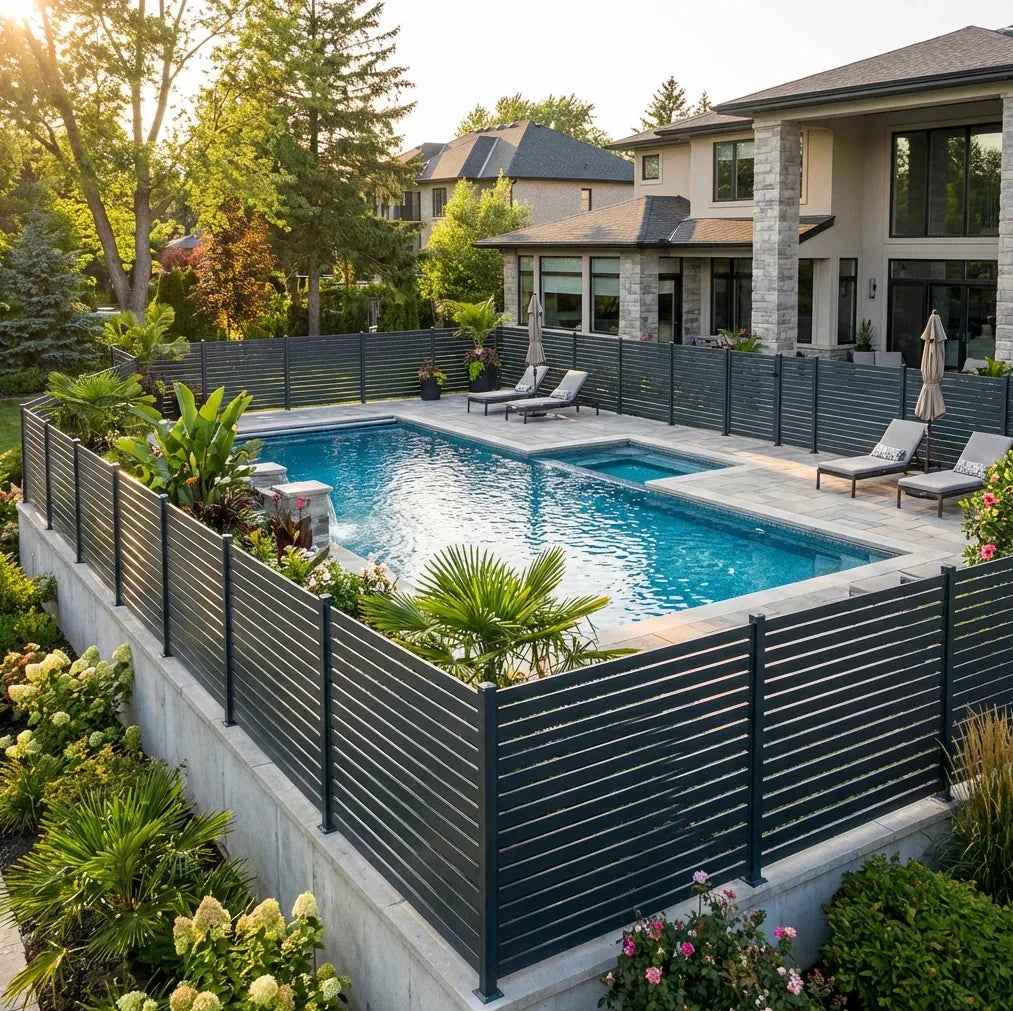
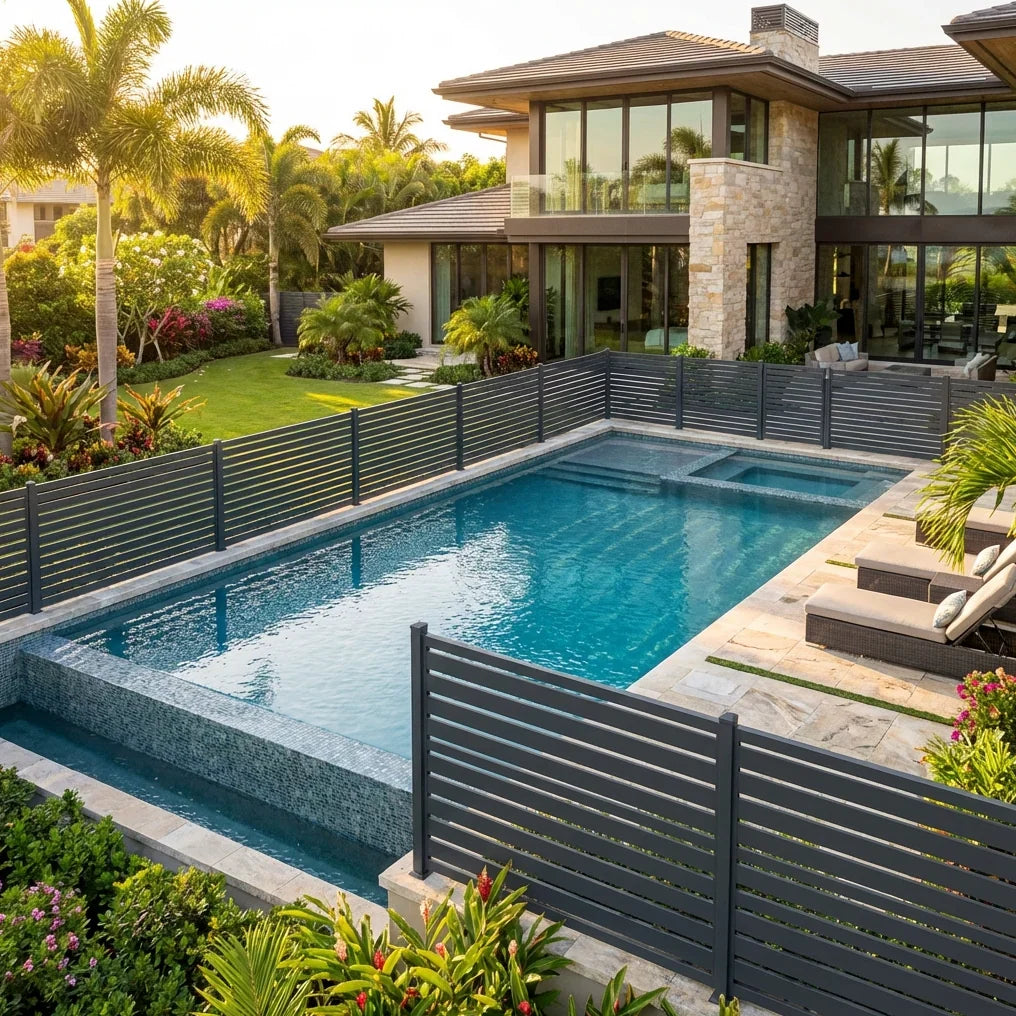
Aluminum fences offer a lightweight yet resilient solution for windy areas. They resist rust and corrosion, making them ideal for harsh climates. Their durability ensures they withstand strong winds without compromising aesthetics.
Aluminum fences are available in various designs and colors, enhancing curb appeal. They require minimal maintenance, saving time and costs.
Key benefits of aluminum fences include:
-
Rust resistance
-
Long-lasting durability
-
Minimal maintenance needs
These features make aluminum a popular choice for many homeowners seeking a robust yet attractive fencing option.
 Composite Fence: Strength Meets Low Maintenance
Composite fences combine wood fibers and plastic, creating a durable, low-maintenance solution. They resist fading and insect damage, maintaining their appearance over time. These fences are particularly suited to withstand wind pressure due to their structural integrity.
Offering the appearance of wood without the hassle, composite fences come in a range of styles and colors. They are an excellent choice for sustainability-conscious individuals.
Benefits of composite fences include:
-
High resistance to insects and decay
-
Low-maintenance needs
-
Environmentally friendly
Choosing composite material means investing in long-lasting outdoor privacy solutions.
 Vinyl Fence: Weather-Resistant and Versatile
Vinyl fences are known for their weather resistance, perfectly suited for windy areas. They do not rot or rust, ensuring longevity. Their flexibility allows them to absorb wind stress without damage.
Easy to clean and maintain, vinyl fences maintain their color without repainting. They also offer a variety of styles to match different design preferences.
Advantages of vinyl fences include:
-
No need for painting
-
Excellent durability
-
Flexible and versatile
Withstands environmental challenges, keeping your property secure and stylish.

Steel and Wrought Iron: Maximum Strength
Steel and wrought iron fences offer unmatched strength, perfect for extreme wind conditions. These materials provide high security while maintaining an elegant appearance. While they may require periodic maintenance to prevent rust, their strength is unparalleled.
Steel and wrought iron fences can be customized to suit any aesthetic preference, providing both form and function.
Key features include:
-
Robust security
-
Timeless elegance
-
Customizable designs
These fences excel in settings requiring top-tier durability and a polished look.
Treated Wood Fence: Classic Look with Modern Engineering
Treated wood fences bring a classic aesthetic with enhanced durability for windy conditions. Proper treatment helps resist rot and pests, increasing their lifespan. Gaps between slats allow wind to pass through, reducing pressure on the structure.
Despite requiring some upkeep, treated wood offers timeless appeal.
Benefits include:
-
Natural aesthetic
-
Treated for enhanced durability
-
Adjustable design
For those who appreciate traditional charm, treated wood provides a warm, inviting look.

Chain-Link with Wind Slats: Practical and Adaptable
Chain-link fences, enhanced with wind slats, offer a practical solution for windy locations. The slats increase privacy and reduce wind penetration, without sacrificing visibility or air movement.
Quick to install and adaptable, they offer a balance of privacy and resilience, ideal for budget-conscious buyers.
Advantages include:
-
Cost-effective
-
Easy installation
-
Adjustable privacy
Chain-link fences with slats blend practicality with adaptability, making them a versatile choice.
Bamboo and Eco-Friendly Options
Bamboo fences are eco-friendly, offering an attractive solution for moderate wind areas. The natural flexibility of bamboo allows it to sway with the wind, preventing damage. While not as sturdy as metal, bamboo provides a sustainable option.
For environmentally conscious homeowners, bamboo fences provide both beauty and practicality.
Benefits include:
-
Eco-friendly materials
-
Natural flexibility
-
Attractive aesthetics
Bamboo fences align with sustainable living practices while offering functional outdoor privacy solutions.
Design Tips for Wind-Resistant Privacy Fencing
Wind resistance in fence design involves more than just material choice. Strategic design plays a crucial role. Start by considering the height. Tall fences catch more wind, so ensure a sturdy foundation if height is essential.
The orientation of your fence also impacts performance. Positioning it to direct winds can lessen pressure on the structure. Gaps between panels allow air to pass, diminishing the force on the fence.
Incorporate these design elements for enhanced wind resistance:
-
Utilize staggered or louvered slats for airflow.
-
Opt for reinforced posts for added stability.
-
Consider rounded corners to deflect wind.
Through careful planning, you can create an attractive and sturdy outdoor privacy solution. A well-designed fence balances appearance with function, providing peace of mind during storms.
Installation Best Practices for Windy Areas
Installing a fence in a windy area demands precision and attention to detail. Proper installation enhances durability and stability in harsh conditions.
Begin with digging deeper postholes. Ensure they are below the frost line for added stability. Use concrete for setting posts. This secures the base against strong gusts.
Additional tips to consider during installation:
-
Space posts closer together for extra support.
-
Reinforce corners to withstand lateral forces.
-
Check alignment frequently for straightness.
By following these best practices, your fence can withstand the challenges of a windy environment. This attention to detail during installation can greatly extend your fence's life.
Maintenance and Longevity: Keeping Your Fence Strong
Regular maintenance is crucial for extending the life of a fence in windy areas. Small efforts can make a significant difference over time.
Start with routine inspections. Look for loose panels and signs of rust or decay. Applying treatments to wood fences helps protect against moisture and insects.
Key maintenance tasks include:
-
Tighten any loose screws or brackets.
-
Clean vinyl or aluminum surfaces to prevent buildup.
-
Reapply protective coatings as needed.
By staying proactive with these tasks, you ensure that your fence remains sturdy and resilient against the elements for years.
Cost Considerations and Value Over Time
Choosing the right fence involves balancing cost and value. Some materials may have a higher upfront price but save money long-term.
Consider factors like longevity and maintenance when evaluating costs. Here are some points to consider:
-
Initial purchase and installation expenses
-
Long-term maintenance and repair costs
-
Potential increase in property value
Opting for quality materials can lead to reduced maintenance, providing better value over time.
Frequently Asked Questions About Wind-Resistant Fences
Choosing a wind-resistant fence can raise several questions. Here are some common queries answered:
-
What is the best fence for windy areas?
-
How do I maintain a wind-resistant fence?
-
Are there eco-friendly options available?
Understanding these aspects can help homeowners make informed decisions. Proper research ensures long-lasting and effective solutions for your fencing needs.
Conclusion: Choosing the Best Privacy Fence for Windy Areas
Choosing the best privacy fence for windy areas involves careful thought and planning. Each material offers unique benefits suitable for different needs and preferences.
Consider factors such as durability, maintenance, and aesthetics to find the ideal fence. A well-chosen fence not only provides privacy but also withstands harsh weather, offering lasting value and peace of mind.

Leave a comment
This site is protected by hCaptcha and the hCaptcha Privacy Policy and Terms of Service apply.