
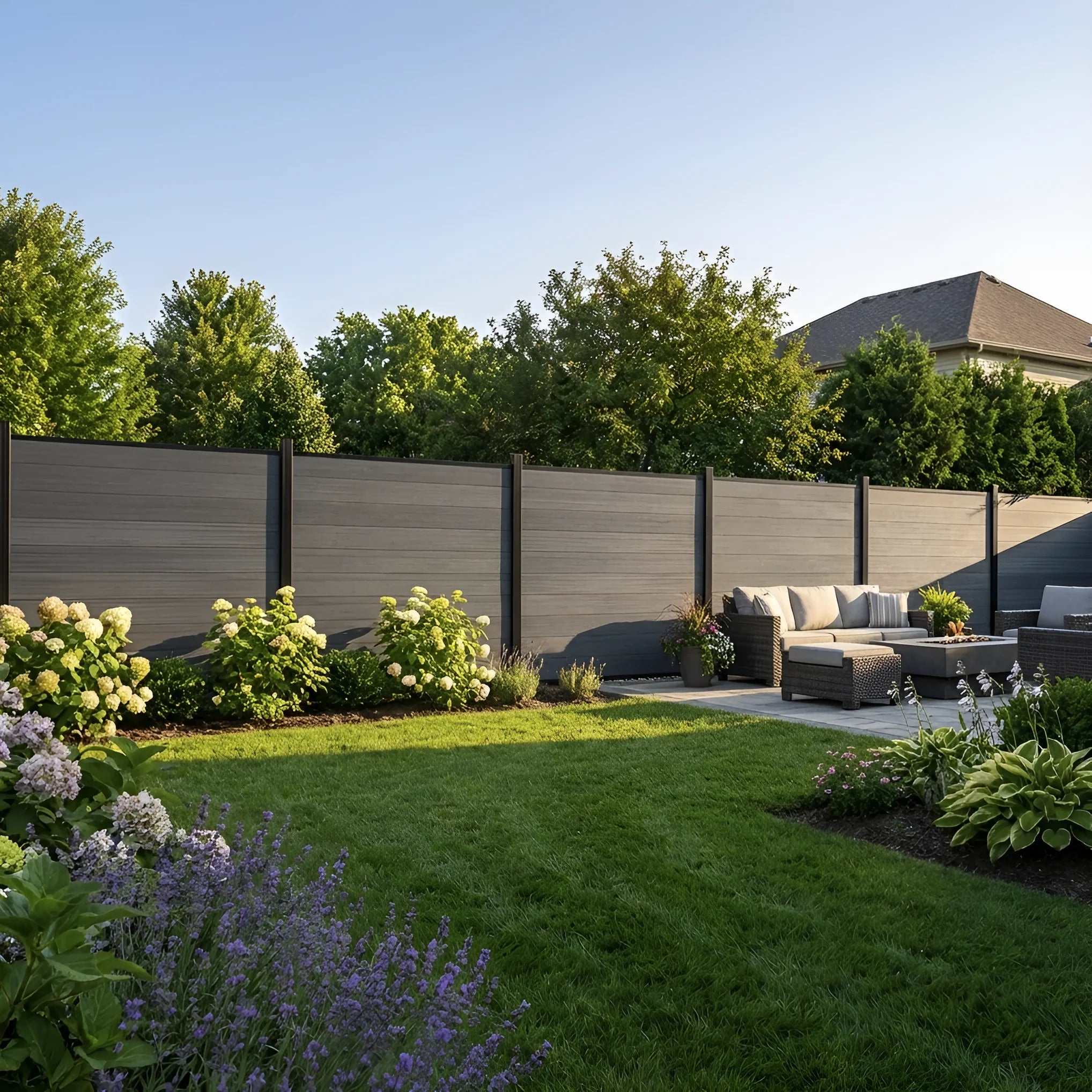
Choosing the Right Privacy Fence Materials
When considering outdoor privacy solutions, selecting the ideal privacy fence material is crucial to achieving both aesthetic appeal and functional security. Privacy fences not only define your property's boundaries but also enhance the visual charm of your outdoor spaces. This article delves into various privacy fence materials, evaluating their benefits and drawbacks to help you make an informed decision for your backyard privacy needs.

The decision on which privacy fence material to choose hinges on several factors, including durability, maintenance requirements, cost, and aesthetic appeal. Here’s a detailed exploration of the most popular options available in the market today.
Wood Privacy Fences
Wood remains a classic choice for homeowners who value its natural beauty and versatility. From traditional vertical planks to modern horizontal designs, wood fences offer considerable customization. However, they require regular maintenance to prevent rot, warping, and pest infestations.
Pros:
-
Aesthetic versatility
-
Cost-effective
-
Eco-friendly options available
Cons:
-
Requires regular maintenance
-
Prone to weather-related damage
-
Potential for pest problems
Composite Privacy Fences
Composite fencing is gaining traction due to its blend of wood fibers and plastic, offering a more durable and low-maintenance option than traditional wood. This material mimics the appearance of wood but is resistant to rot, decay, and insect damage.
Pros:
-
Low maintenance
-
Resilient against environmental elements
-
Variety of colors and styles
Cons:
-
Higher initial cost
-
Limited natural wood feel
 Vinyl Privacy Fences
Vinyl fences are known for their durability and ease of maintenance. They do not require painting or staining and are resistant to pests and decay. Available in a range of styles, vinyl offers both privacy and aesthetic options to suit various landscapes.
Pros:
-
Minimal maintenance
-
Weather-resistant
-
Long-lasting
Cons:
-
Limited color options
-
Higher initial investment
-
Less eco-friendly

Aluminum Privacy Fences
Aluminum fences provide a sleek, modern look while offering durability and low maintenance. Although typically used for decorative purposes, they can be adapted for privacy with the use of panels or screens.
Pros:
-
Lightweight and durable
-
Corrosion-resistant
-
Requires minimal upkeep
Cons:
-
Limited privacy unless combined with panels
-
Can be costly
 Chain-Link Privacy Fences
While not inherently private, chain-link fences can be equipped with privacy slats or screens to enhance seclusion. They are economical and durable, making them a practical choice for budget-conscious homeowners.
Pros:
-
Cost-effective
-
Durable and low maintenance
-
Easily customizable with privacy slats
Cons:
-
Limited privacy
-
Less attractive without enhancements
Specialized Privacy Solutions

In addition to traditional fencing materials, consider specialized solutions like privacy screens and 8 ft tall privacy fence panels for additional seclusion.
Privacy Screens
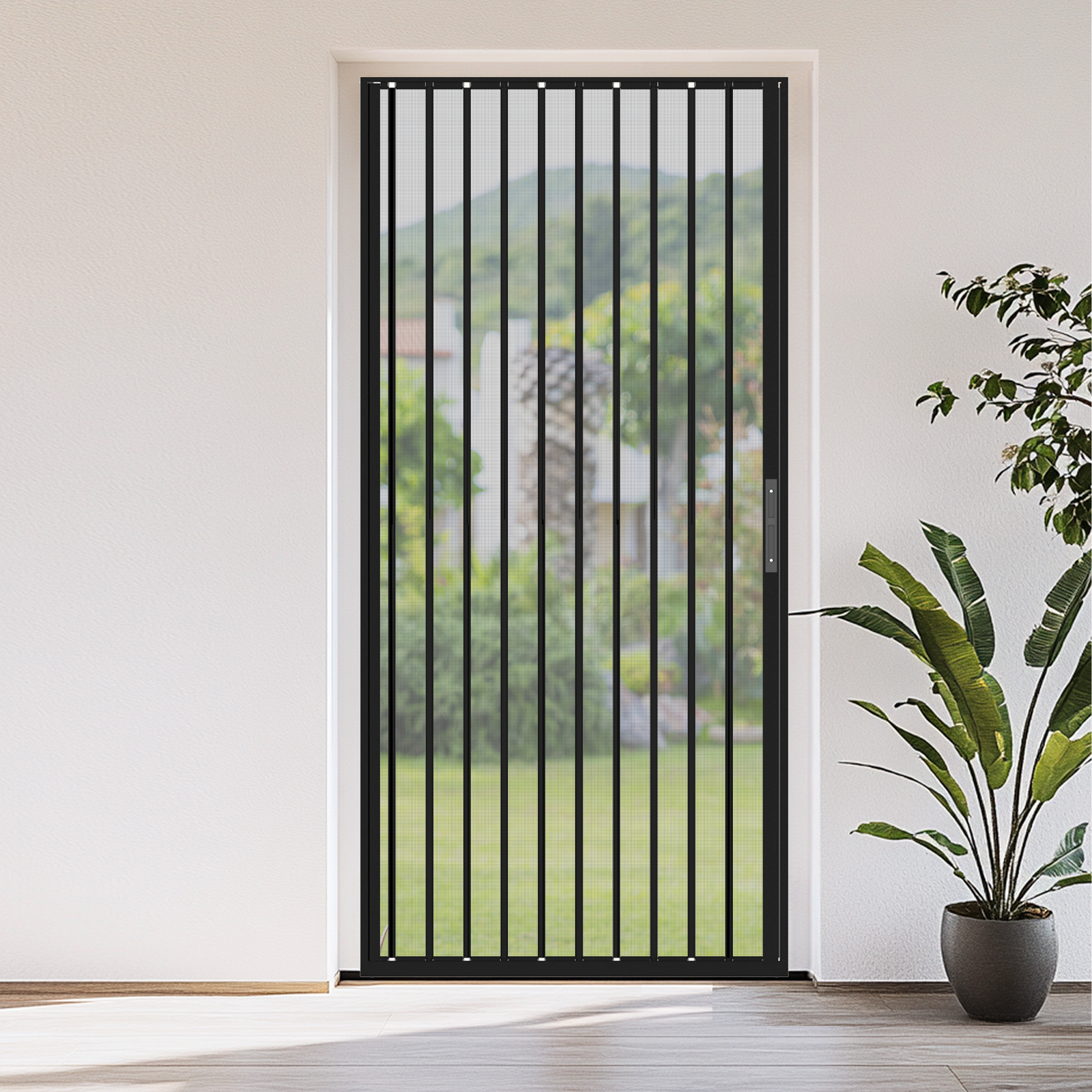
Privacy screens offer a flexible solution for areas requiring temporary or adjustable privacy. They come in various materials, including bamboo, metal, and fabric, and can be moved or adjusted as needed.
Pros:
-
Portable and adjustable
-
Variety of materials and styles
-
Perfect for patios and gardens
Cons:
-
Less durable than permanent fences
-
May require replacement or repairs
Horizontal Privacy Fences
Horizontal privacy fences provide a contemporary aesthetic and can be constructed from wood, composite, or metal. Their modern design is both visually appealing and effective in providing seclusion.
Pros:
-
Modern look
-
Customizable height and spacing
-
Compatible with various materials
Cons:
-
May require more materials for taller fences
-
Can be more labor-intensive to install
Considerations for Selecting Privacy Fence Materials
Climate and Environmental Factors
The local climate should heavily influence your choice of fencing material. For instance, areas with high humidity might not be ideal for wood fences unless treated, whereas aluminum and vinyl can withstand moist conditions.
Cost and Budget Constraints
While initial costs vary, it’s essential to consider long-term maintenance expenses. Composite and vinyl fences, despite their higher upfront costs, could prove more economical over time due to reduced maintenance needs.
Aesthetic Preferences
Your chosen fence should complement your home’s architecture and landscape. Consider the color, style, and texture that best suits your aesthetic vision.
Height and Privacy Needs
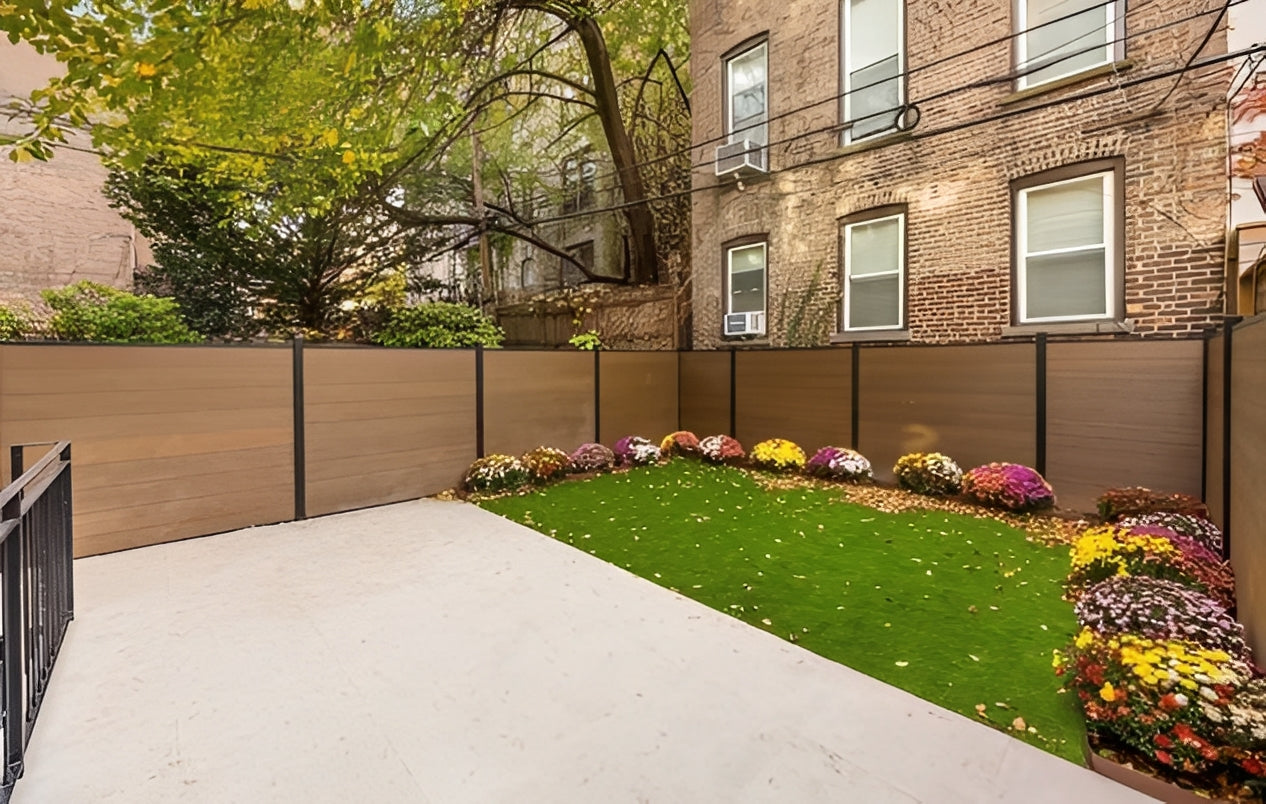
For maximum seclusion, especially in urban settings, opt for 8 ft tall privacy fence panels. Ensure compliance with local regulations regarding fence heights and property lines.
Final Thoughts on Privacy Fence Selection
Selecting the right privacy fence material involves a careful balance of aesthetics, functionality, and budget. Whether you prioritize the natural beauty of wood, the low maintenance of vinyl, or the modern look of aluminum, there is a perfect solution tailored to your needs. Consider your specific privacy requirements, local climate conditions, and aesthetic goals to make an informed decision that enhances both your property's value and privacy.
By understanding the strengths and limitations of various materials, you can confidently select a privacy fence that meets your outdoor privacy goals while enhancing the beauty and security of your outdoor spaces.

Leave a comment
This site is protected by hCaptcha and the hCaptcha Privacy Policy and Terms of Service apply.