
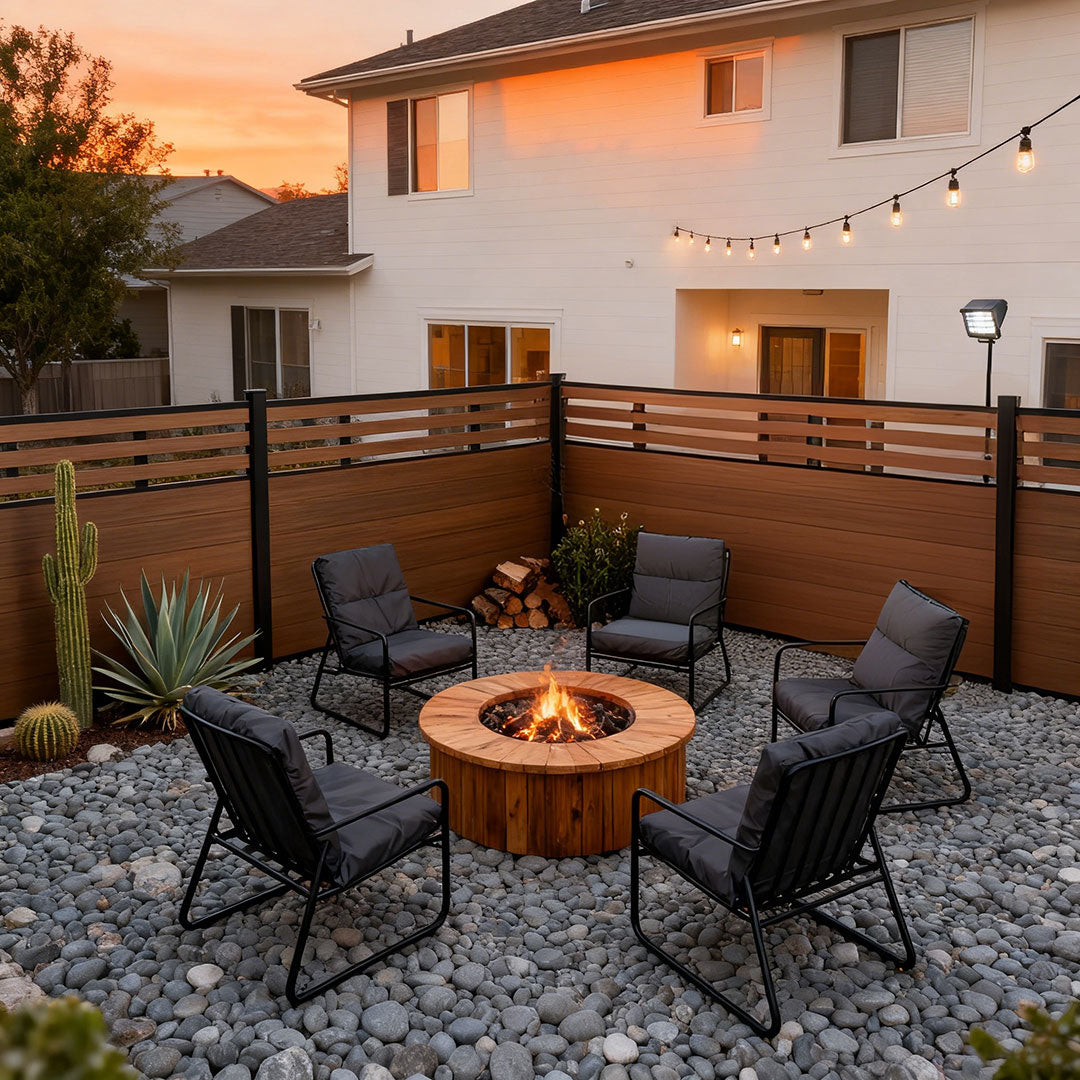
Comparing Composite Fences to Traditional Fencing
Choosing the right fence for your property is crucial. It impacts privacy, aesthetics, and maintenance needs.
Composite fences are gaining popularity for their durability and low maintenance. They offer a modern look and long-lasting performance.
Traditional fencing options, like wood and metal, have their own charm and benefits. Understanding the differences can help you make an informed decision. Let's explore how composite fences compare to traditional fencing.
What Is a Composite Fence?
A composite fence blends wood fibers and plastic to create a robust fencing material. This mix provides durability and strength unlike any traditional option.
Key features of composite fences include:
-
Low maintenance requirements
-
Resistance to insects, rot, and weathering
-
Availability in various colors and textures
Composite fencing is an excellent choice for homeowners seeking a modern, sleek look. It mimics the appearance of wood but with far fewer maintenance needs.

Traditional Fencing Options Explained
Traditional fencing materials offer diverse choices for homeowners. Each type has unique benefits and potential drawbacks, catering to different needs.
Common traditional fencing options include:
-
Wood: Offers a classic look but requires maintenance
-
Vinyl: Low maintenance but may become brittle
-
Metal: Durable but often lacks privacy
These materials provide customization and cater to various architectural styles. However, they can require more upkeep than composites.

Key Differences: Composite vs. Traditional Fencing
Composite fences excel in low maintenance and longevity. They are made from a mix of wood fibers and plastic, avoiding issues like rot. This composite material resists insects and weathering, contributing to their durability.
Traditional fencing varies greatly in maintenance needs and longevity. Wood fences require regular upkeep like staining, whereas vinyl requires less but can become brittle. Metal provides durability but less privacy compared to composites.
Key differences include:
-
Maintenance: Composite is low maintenance; wood needs care.
-
Durability: Composite resists rot; metal lasts but provides less privacy.
-
Cost: Composite can be costly initially but saves over time.
In summary, composite fences promise long-term benefits with less upkeep. Traditional options, on the other hand, may need more frequent maintenance.
 Pros and Cons of Composite Fencing
Composite fencing offers many advantages, making it a popular choice. It requires minimal maintenance, as it doesn't need painting or staining. Additionally, it's resistant to insects, rot, and UV damage, ensuring a longer lifespan.
However, there are drawbacks to consider. Composite fences can be pricey to install, though they may save money later due to reduced upkeep.
Key pros and cons include:
-
Pros: Low maintenance, durable, eco-friendly.
-
Cons: Higher initial cost, limited customization options.
Overall, composite fences balance elegance and practicality, suiting those who prefer a hands-off approach.
Pros and Cons of Traditional Fencing
Traditional fencing offers timeless appeal and diverse materials. Wood, vinyl, and metal are popular, each with unique benefits. Wood fences present a natural, classic look with customization options through paint and stain.
Nonetheless, there are downsides. Regular maintenance is essential to prevent rot and insect damage, leading to more costs over time. Some materials, like vinyl, can become brittle in harsh climates.
Key pros and cons include:
-
Pros: Affordable initial cost, versatile design options, natural aesthetics.
-
Cons: Ongoing upkeep required, potential for quicker degradation, environmental impact.
Traditional fences are ideal for those who enjoy classic styles and are comfortable with regular maintenance.
Which Fence Is Right for You?
Deciding between composite and traditional fencing depends on several factors. Consider your budget, desired maintenance level, and aesthetic preferences. Composite fences offer low upkeep and durability, ideal for busy homeowners.
Traditional fencing provides a classic appeal and customization but requires more maintenance. Evaluate your long-term goals and resources to choose the fence that best fits your property and lifestyle.

Leave a comment
This site is protected by hCaptcha and the hCaptcha Privacy Policy and Terms of Service apply.