
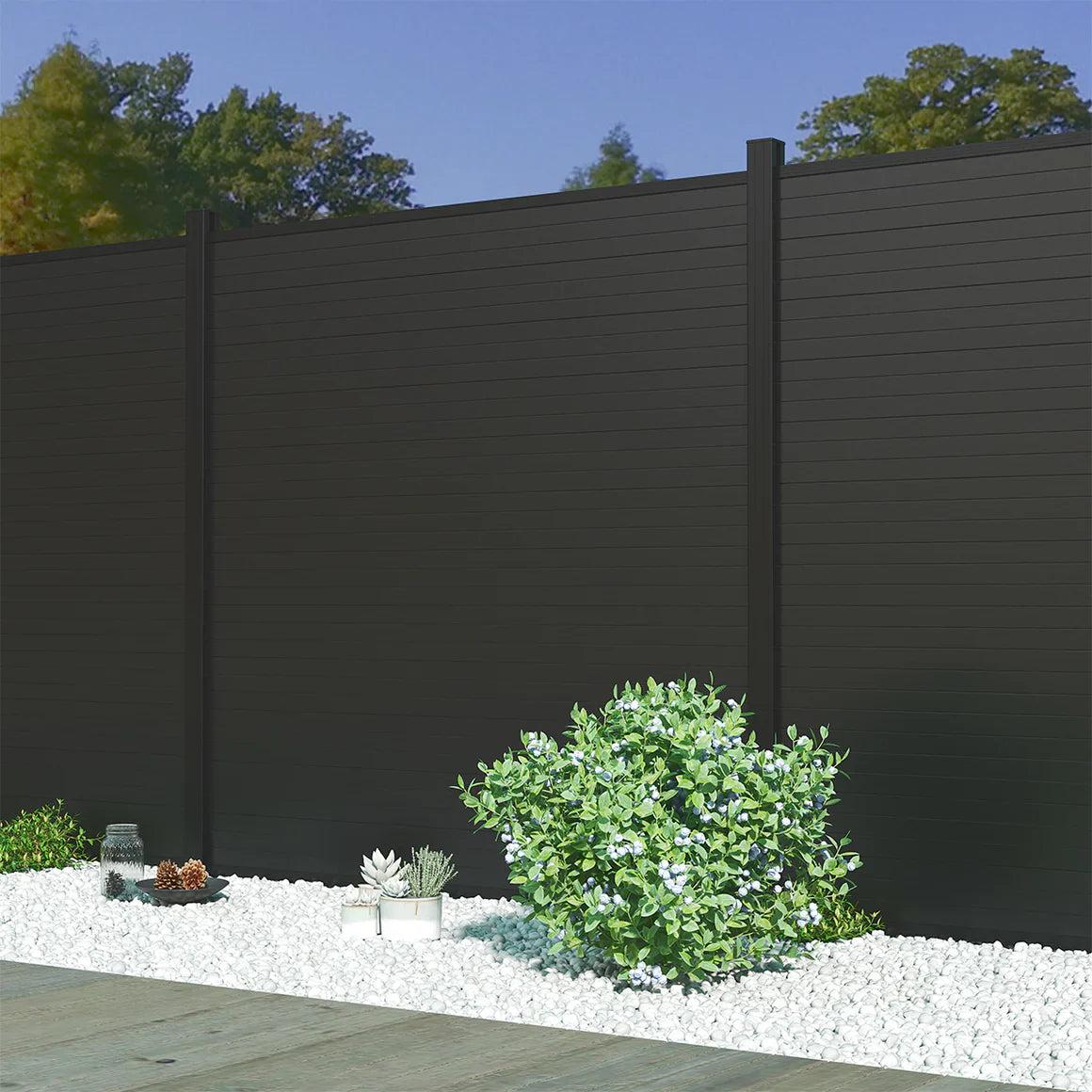
Composite Fence Panels vs. Full Composite Fence: What’s the Difference?
When it comes to choosing the right fencing for your property, the options can be overwhelming. Among the most popular choices today are composite fence panels and full composite fences. But what exactly sets them apart? Understanding these differences can help you make an informed choice that complements your outdoor space while meeting your practical needs. In this article, we will delve into the differences, benefits, and considerations of composite fence panels versus full composite fences, and why they might be the perfect fit for your outdoor space.

Composite fencing is a type of fence made from a mixture of materials, typically including wood fibers, recycled plastic, and bonding agents. This combination creates a product that offers the appearance of wood with the durability of plastic. Due to its composite nature, this type of fencing is less susceptible to the natural wear and tear that affects traditional wooden fences. The synthesis of materials not only bolsters its longevity but also enhances its resistance to environmental challenges.
Composite fencing is celebrated for its long-lasting nature and minimal maintenance needs, making it an attractive option for many homeowners. Unlike traditional wood, which requires regular upkeep, composite fencing retains its aesthetic appeal and structural integrity with minimal intervention. This makes it a cost-effective choice in the long run, as it reduces the need for replacement and repair. Furthermore, the eco-friendly aspect of utilizing recycled materials can be a significant draw for environmentally conscious consumers.
Benefits of Composite Fencing
Composite fencing offers numerous advantages over traditional wood fencing:
- Durability: Unlike wood, composite materials resist rot, insects, and weathering, ensuring a longer lifespan. This durability is especially beneficial in regions with harsh weather conditions, where traditional wood fences might deteriorate quickly.
- Low Maintenance: No need for regular painting, staining, or sealing. This not only saves time but also reduces the long-term costs associated with maintaining a fence.
- Aesthetic Appeal: Provides the natural look of wood without the drawbacks. The variety of styles and colors available means you can find a look that complements your property.
- Eco-Friendly: Often made from recycled materials, reducing environmental impact. This makes composite fencing an appealing choice for those looking to reduce their carbon footprint.
Composite Fence Panels
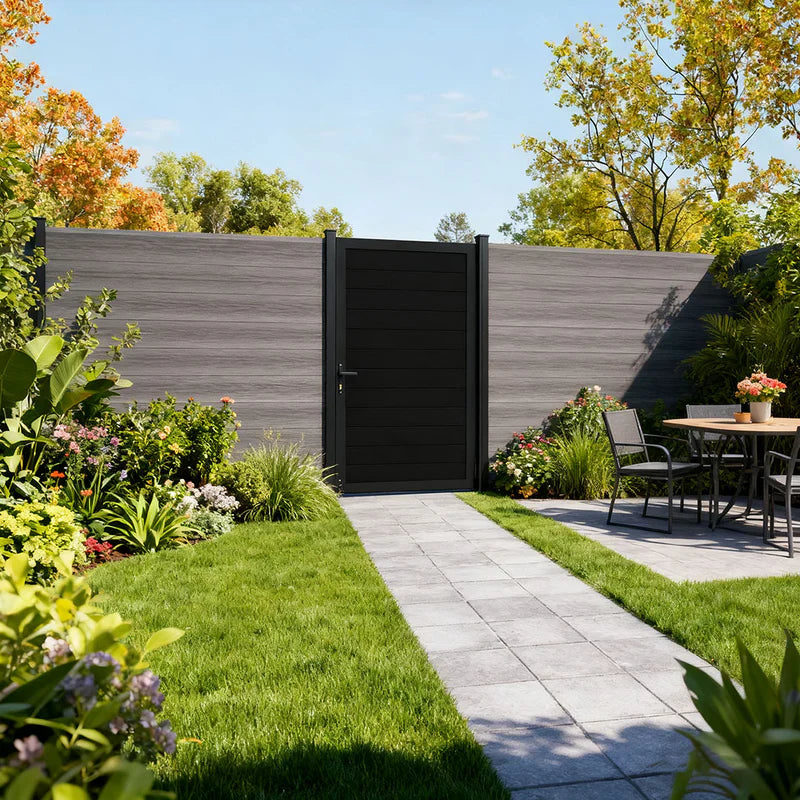
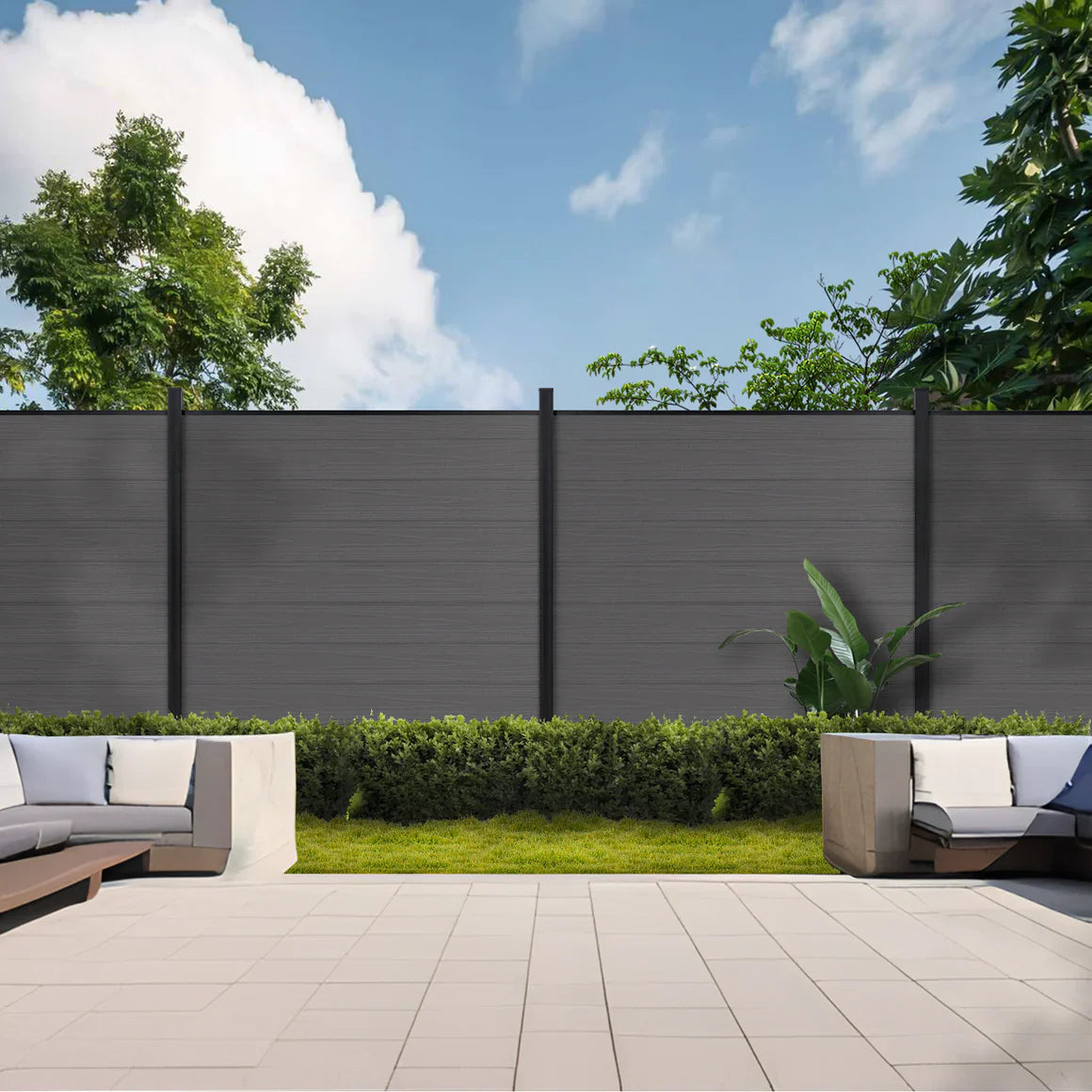
Composite fence panels are prefabricated sections designed to fit together to form a fence. These panels are usually made up of composite boards that are horizontally or vertically installed within a frame. This modular approach simplifies the construction process, making it accessible even to those without professional building experience. The panels are designed to slot together seamlessly, creating a cohesive and polished look.
Advantages of Composite Fence Panels

- Ease of Installation: Prefabricated panels can be installed quickly, making them a great option for DIY projects. Even those with limited experience can achieve professional-looking results with minimal tools and effort.
- Consistent Appearance: Since the panels are manufactured, they offer a uniform look throughout. This consistency can enhance the overall visual appeal of your property, providing a clean and modern look.
- Cost-Effective: Often more affordable than full composite fences due to less material and labor. This makes them an attractive option for those on a budget or looking to quickly improve their property.
- Customizable: Available in various colors and styles to match your aesthetic preferences. This flexibility allows homeowners to select a design that fits seamlessly with the rest of their outdoor decor.
Considerations for Composite Fence Panels
- Limited Design Options: While there are various styles, the design is less flexible compared to building a custom fence. This limitation might make it challenging to achieve a truly unique or intricate design.
- Standard Sizes: Panels come in standard sizes, which may not fit all property layouts perfectly. This can lead to gaps or require additional customization efforts to ensure a perfect fit.
Full Composite Fence
A full composite fence, on the other hand, is constructed entirely from composite materials, including the posts, rails, and infill boards. This type of fence offers a more traditional approach, allowing for customization in design and layout. By using composite materials throughout, you ensure that every component of the fence benefits from the same durability and low maintenance characteristics.
Advantages of Full Composite Fences
- Customizable Layout: Provides flexibility in design to fit any landscape. This is particularly beneficial for properties with unusual or challenging terrains, where a standard panel might not suffice.
- Enhanced Stability: With composite posts and rails, the fence offers superior strength and resilience. This makes it an excellent choice for areas prone to strong winds or other environmental stresses.
- Seamless Integration: Custom-built to flow with the contours of your property. This integration can enhance the natural beauty of your landscape, making the fence an integral part of the environment rather than an afterthought.
Considerations for Full Composite Fences

- Higher Cost: Generally more expensive than composite panels due to more materials and labor required. This initial investment can be a significant consideration for budget-conscious homeowners.
- Complex Installation: Requires professional installation for optimal results, especially on uneven terrain. Hiring professionals ensures that the fence is installed correctly and securely, reducing the likelihood of future issues.
- Longer Installation Time: Custom builds take more time compared to panel installation. This extended timeline should be factored into your planning, particularly if you are on a tight schedule.
Composite vs Wood: A Comparison
When comparing composite fencing to traditional wood, several factors should be considered:
- Longevity: Composite fences typically outlast wood fences, which can rot, warp, or succumb to insects. This longevity makes composite fences a wise investment for those looking to avoid frequent replacements.
- Maintenance: Wood requires regular maintenance, including painting or staining, while composite needs minimal upkeep. This reduced maintenance not only saves time but also reduces costs over the lifespan of the fence.
- Initial Cost: Wood fences may have a lower upfront cost, but composite fences save money over time with reduced maintenance and replacement costs. This makes them a more economical choice in the long-term.
- Environmental Impact: Composite fences often use recycled materials, whereas wood requires harvesting trees. This environmental consideration can be crucial for those prioritizing sustainability in their home improvement projects.
Making the Right Choice
When deciding between composite fence panels and a full composite fence, consider your needs and budget. If you are looking for a quick, cost-effective solution, composite fence panels might be your best option. Their ease of installation and affordability make them an attractive choice for many homeowners. However, if customization and durability are your priorities, a full composite fence could be worth the investment. This option allows for greater design flexibility and can provide a more robust fencing solution.
Factors to Consider
- Budget: Determine how much you are willing to spend upfront versus potential long-term savings. This assessment will help you choose the option that offers the best value for your specific situation.
- Aesthetic Preferences: Consider how important the look and feel of your fence are to you. The right fence can enhance the curb appeal and overall aesthetics of your property.
- Property Layout: Assess whether your landscape requires a custom design or if standard panels will suffice. This consideration will ensure that your fence fits seamlessly into your existing environment.
- Installation: Decide if you are comfortable with a DIY project or if professional installation is necessary. Your decision will impact both the cost and timeline of your fencing project.
Conclusion
Both composite fence panels and full composite fences offer excellent alternatives to traditional wood fencing, each with its own set of benefits. By weighing the advantages and considerations of each option, you can make an informed decision that suits your specific needs and enhances the beauty of your outdoor space. Whether you choose the ease of installation with composite panels or the customizability of a full composite fence, you'll enjoy a durable and attractive addition to your property for years to come. The right choice will not only fulfill your practical needs but also complement the aesthetic value of your home, making it a worthwhile investment for any homeowner.

Leave a comment
This site is protected by hCaptcha and the hCaptcha Privacy Policy and Terms of Service apply.