
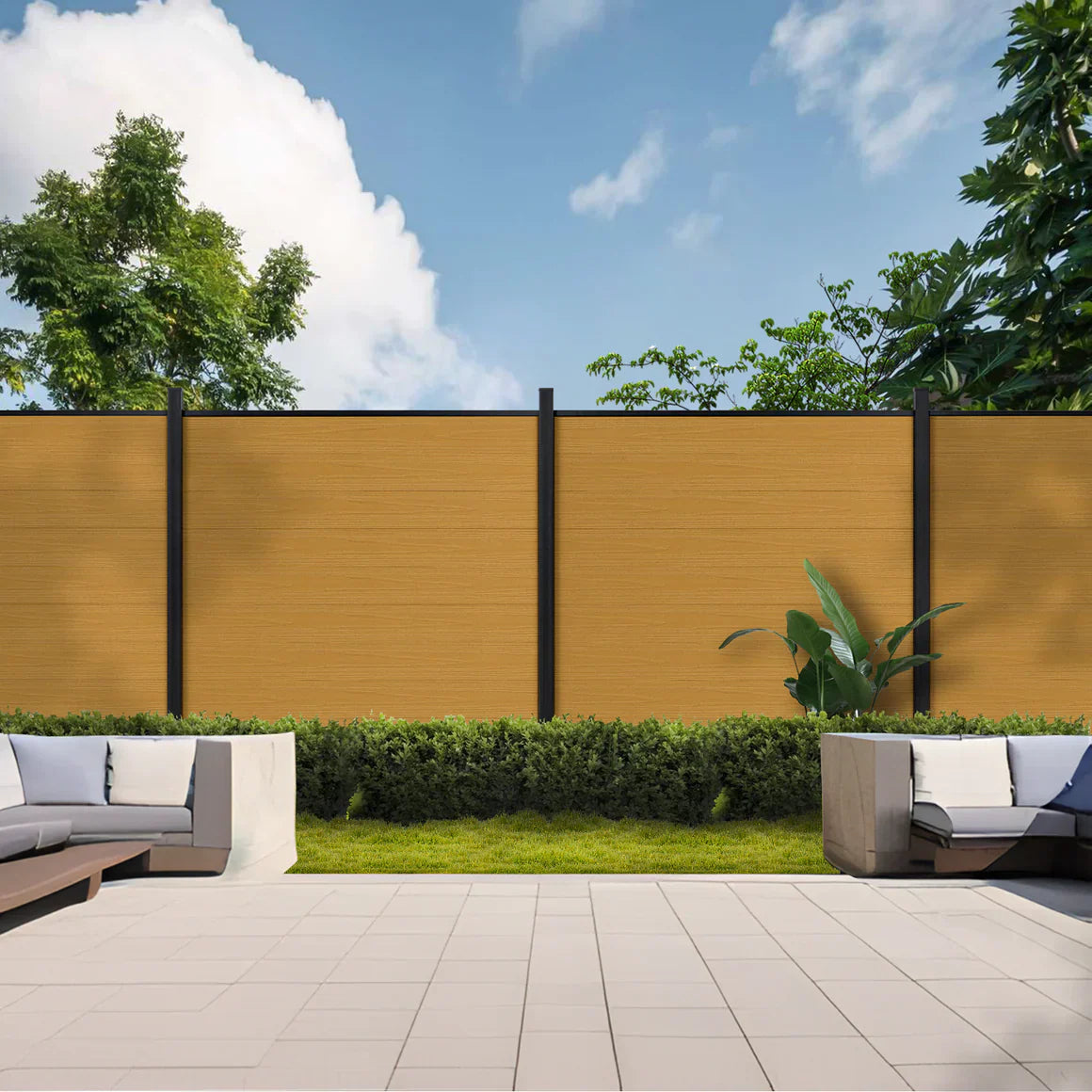
Composite Fence vs Wood Fence Which One Should You Choose
When it comes to choosing a fence for your property, the decision often narrows down to two popular options: composite fencing and wood fencing. Both materials have their advantages and drawbacks, so understanding the key differences can help you make an informed decision.
In this article, we will explore the characteristics, benefits, and downsides of both composite and wood fences, helping you determine which one is the best fit for your needs.

Wood fencing has been a traditional choice for homeowners for many years. Known for its natural beauty and versatility, wood fences can complement various architectural styles, from classic to contemporary.
Benefits of Wood Fencing
- Aesthetic Appeal: Wood provides a warm, natural look that many homeowners appreciate. It can be stained or painted in different colors to match your home’s exterior.
- Versatility: Wood fences come in various styles, such as picket, split rail, and privacy fences, offering flexibility in design.
- Cost-Effective: Initially, wood fencing can be more affordable compared to composite fencing, which can be appealing for budget-conscious homeowners.
Drawbacks of Wood Fencing
- Maintenance Requirements: Wood fences require regular maintenance, including staining and sealing, to prevent rot, mold, and insect infestation.
- Durability Concerns: Over time, wood can warp, crack, or succumb to weather damage, which may shorten its lifespan.
- Environmental Impact: Depending on the type of wood, harvesting can have environmental implications. Sustainable sourcing can mitigate this concern, but it may increase costs.
Exploring Composite Fencing
 Composite fencing is a modern alternative that combines wood fibers with plastic materials. This blend offers the look of wood with the durability of synthetic materials.
Advantages of Composite Fencing
- Low Maintenance: Composite fences require minimal upkeep. They do not need painting or staining and are resistant to rot, mold, and insects.
- Long-Lasting: Composite materials are designed to withstand harsh weather conditions, providing a longer lifespan than traditional wood fences.
- Eco-Friendly Options: Many composite fences are made from recycled materials, offering a more sustainable choice for environmentally conscious homeowners.
Disadvantages of Composite Fencing
- Initial Cost: Composite fences can be more expensive upfront compared to wood fences. However, the reduced maintenance costs can offset this over time.
- Limited Color Options: While composite fencing is available in various colors, it does not offer the same staining or painting flexibility as wood.
- Synthetic Appearance: Some homeowners prefer the authentic look of natural wood, which composite may not fully replicate.
Comparing Costs: Wood vs Composite
When budgeting for a new fence, it's important to consider both the initial costs and the long-term expenses associated with maintenance and repair.
- Wood Fencing Costs: Typically, wood is less expensive initially. However, ongoing maintenance costs, such as paint and sealant, can add up over time.
- Composite Fencing Costs: While composite materials may have a higher upfront cost, they require less maintenance, potentially saving money in the long run.
Durability and Longevity

The lifespan of your fence is a crucial factor when making your decision. Let's compare the durability and longevity of both fence types:
- Wood Fencing: With proper maintenance, a wood fence can last anywhere from 10 to 15 years. Without regular care, its lifespan may be reduced significantly.
- Composite Fencing: Composite fences can last 25 to 30 years or more, thanks to their resistance to weather and insects. This durability can make composite a more cost-effective option over time.
Environmental Considerations
For environmentally conscious homeowners, the sustainability of fencing materials is a significant consideration.
- Wood Fencing: Choosing sustainably sourced wood can help reduce environmental impact. Look for certifications like FSC (Forest Stewardship Council) to ensure responsible sourcing.
- Composite Fencing: Many composite fences are made from recycled materials, which can be a greener choice. However, the manufacturing process involves plastics, which have their own environmental concerns.
Making Your Decision
Choosing between wood and composite fencing depends on your priorities, budget, and personal preferences. Here are some questions to guide your decision:
- What is your budget for installation and maintenance?
- How much time and effort are you willing to invest in fence maintenance?
- Do you prioritize sustainability and eco-friendliness?
- What aesthetic do you want for your property?
By answering these questions, you can weigh the pros and cons of each option and choose the fence that best fits your needs.
Conclusion
Both wood and composite fences have their unique advantages and disadvantages. Wood offers traditional beauty and versatility, while composite provides low maintenance and durability. Consider your budget, maintenance preferences, and environmental impact when making your choice. Ultimately, the right fence for you will enhance your property’s curb appeal and meet your practical needs for years to come.

Leave a comment
This site is protected by hCaptcha and the hCaptcha Privacy Policy and Terms of Service apply.