

How Deep Should A Fence Post Be?
When it comes to building a fence, one of the most important considerations is how deep to set the fence posts. The depth of your fence post holes is crucial for ensuring the stability and longevity of your fence. Whether you're building a backyard fence for privacy or a decorative fence for your garden, getting the post depth right is essential.
This guide will help you understand the factors affecting fence post depth and provide some practical tips for setting your posts correctly.

Factors Influencing Fence Post Depth
Several factors determine how deep you should bury your fence posts. Here are the main considerations:
1. Fence Height
The height of your fence is the primary determinant of post depth. Generally, the taller the fence, the deeper the posts need to be to support the structure. A common rule of thumb is to bury at least one-third of the post's total height in the ground. For example, if you are installing a 6-foot fence, your fence posts should be buried at least 2 feet deep.
2. Soil Type
The type of soil in your area affects how deep you should dig. Loose or sandy soils require deeper holes to provide enough stability, while clay or rocky soils can often support posts with shallower holes. It’s important to assess your soil type before determining the depth of your holes.
3. Climate and Frost Line
In regions with colder climates, the frost line—the depth to which the ground freezes—must be considered. Posts set above the frost line are at risk of being pushed out of the ground by frost heave. It's crucial to dig below this line to prevent movement. Check local building codes for recommended depths, as they often account for the frost line in your area.
Recommended Depths for Common Fence Heights
Here’s a quick guide for how deep to set your fence posts based on typical fence heights:
1. 4-Foot Fence
For a 4-foot fence, you typically want to dig your post holes at least 18 inches deep. This provides enough support for the lighter weight and lower height of the fence.
2. 6-Foot Fence
A 6-foot fence requires a more substantial foundation. Aim for a minimum depth of 2 feet, though 2.5 to 3 feet is often recommended for better stability.

3. 8-Foot Fence
For an 8-foot fence, dig your post holes at least 3 feet deep. This depth accommodates the increased height and weight, providing greater stability against wind and other forces.
Steps to Determine the Correct Depth
Follow these steps to ensure your fence posts are properly set:
1. Measure and Mark
Start by measuring the total height of your fence. Use this measurement to calculate one-third of the height, which will be the minimum depth for your post holes. Mark the spot where each post will go using stakes or spray paint.
2. Check Local Regulations
Local building codes may dictate specific requirements for fence post depth. Always check with your local municipality before starting your project to ensure compliance with any regulations.
3. Evaluate Soil Conditions
Assess your soil type to determine if deeper holes are necessary. If you have sandy or loose soil, consider going deeper than the standard recommendation.
4. Consider Additional Reinforcement
For added stability, especially in areas prone to high winds or soft soil, consider using concrete to set your posts. This can provide additional support and prevent shifting over time.
Tips for Digging Fence Post Holes
Digging post holes can be labor-intensive, but the right tools and techniques can make the process more manageable.
1. Use the Right Tools
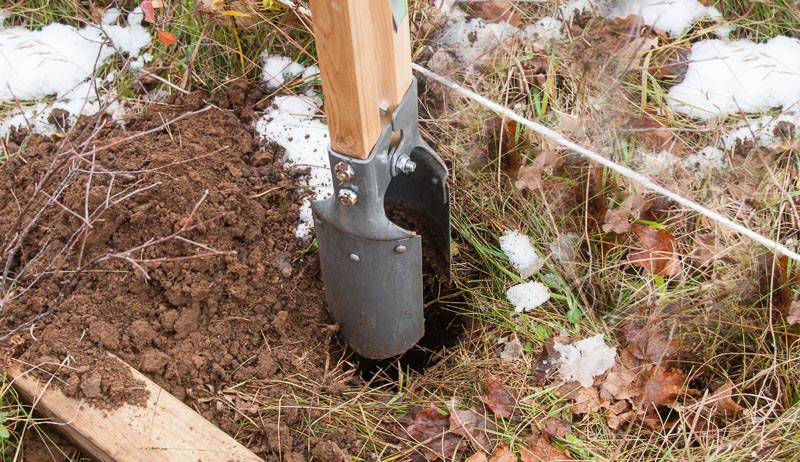
Invest in a quality post hole digger or auger to make the task easier. Manual post hole diggers are suitable for smaller projects, while powered augers can save time and effort for larger fences.
2. Keep the Sides Straight
Make sure the sides of your holes are straight and not bell-shaped. A straight hole provides better support for the post and ensures the concrete sets evenly around it.
3. Tamping the Soil
After placing the post in the hole, tamp the soil down around it tightly. This helps to secure the post and prevent it from leaning.
Setting the Posts
Once you've dug your holes, it's time to set the posts. Here’s how to do it:
1. Position the Posts
Place each post in its hole, ensuring it is straight and level. Use a level to check both vertically and horizontally.
2. Add Gravel for Drainage
Pour a few inches of gravel at the bottom of each hole. This helps with drainage and prevents water from pooling around the base of the post, which can lead to rot.
3. Pour Concrete
If using concrete, mix it according to the manufacturer’s instructions and pour it into the hole around the post. Allow the concrete to set for at least 24 hours before attaching any fence panels or rails.
Conclusion
Knowing how deep to set your fence posts is key to building a sturdy and long-lasting fence. By considering factors such as fence height, soil type, and climate, you can ensure your fence is built to withstand the elements and serve its purpose effectively.
Whether you're installing a simple garden fence or a tall privacy barrier, taking the time to properly set your posts will pay off in the long run with a fence that stays strong and upright for years to come.

Leave a comment
This site is protected by hCaptcha and the hCaptcha Privacy Policy and Terms of Service apply.