
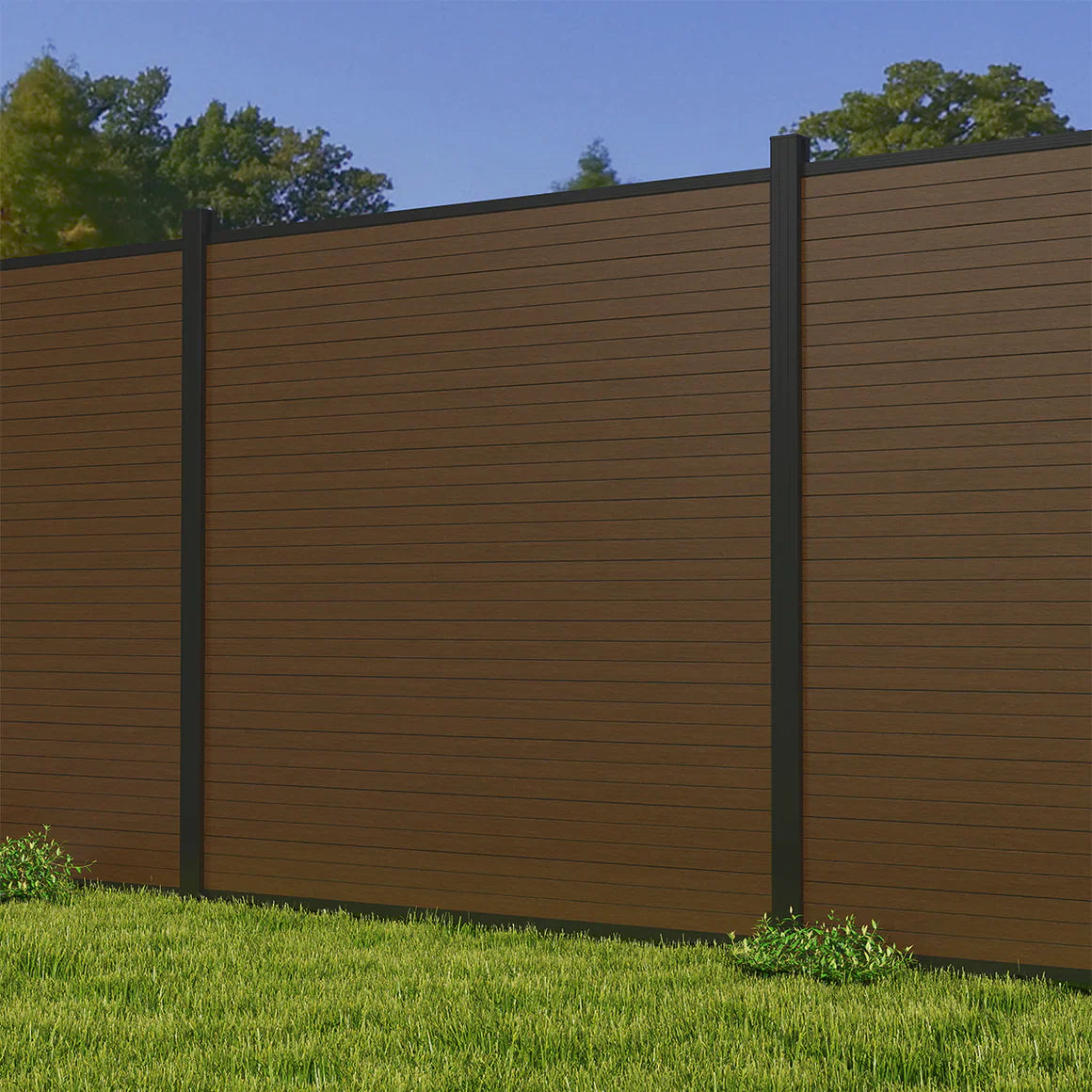
How Much Does a Composite Fence Cost in 2025?
Considering a composite fence for your property? You're not alone. Many homeowners are turning to this durable and low-maintenance option. But, one of the first questions on your mind is likely to be about the cost.
In 2025, the cost of a composite fencing installation can vary based on several factors, including the size of your yard, the type of composite material chosen, and labor costs in your area. Understanding these factors can help you better estimate the total cost of your project.

As you explore your options, you'll find that composite fence prices are competitive with other high-quality fencing materials. Let's dive into the details to give you a clearer picture of what to expect.
Key Takeaways
- The cost of composite fencing in 2025 varies by material and size.
- Labor costs significantly impact the total installation cost.
- Composite fencing is a durable, low-maintenance option.
- Prices are competitive with other premium fencing materials.
- Several factors influence the final cost of your composite fence.
What You Need to Know About Composite Fencing
Composite fencing represents a modern approach to fencing, offering a blend of recycled materials and advanced manufacturing techniques. This type of fencing is made from a combination of materials, often including wood fibers and plastic, which are mixed together and molded into fence panels.
What Is Composite Fencing?
Composite fencing is a type of fencing made from a mixture of materials, typically wood fibers and plastic. This combination provides a durable and low-maintenance alternative to traditional fencing materials.
Components and Manufacturing Process
The manufacturing process involves mixing wood fibers and plastic together, then molding the mixture into fence panels. The exact composition can vary depending on the manufacturer, but the result is a product that is both durable and resistant to rot, decay, and insect damage.
Durability and Lifespan Expectations
Composite fencing is known for its durability and long lifespan. It can withstand various weather conditions and requires minimal maintenance. The lifespan of composite fencing can vary, but it generally lasts longer than traditional wood fencing.
| Fencing Material | Average Lifespan | Maintenance Requirements |
|---|---|---|
| Composite Fencing | 20-30 years | Low |
| Wood Fencing | 10-15 years | High |
| Vinyl Fencing | 20-30 years | Low |
Average Composite Fence Cost in 2025
As homeowners consider composite fencing for their properties, understanding the associated costs becomes increasingly important. Composite fencing has gained popularity due to its durability and aesthetic appeal, but the cost can vary significantly based on several factors.
National Price Ranges
The national average cost for composite fencing in 2025 ranges from $30 to $100 per linear foot, depending on the quality of materials and the complexity of the installation.
Cost Per Linear Foot
On average, homeowners can expect to pay between $30 and $100 per linear foot for composite fencing. High-quality materials and intricate designs can drive costs towards the higher end of this range.
Cost Per Panel
Composite fence panels typically cost between $60 and $200 per panel, with the price influenced by the panel's size, material quality, and design complexity.
Complete Project Cost Estimates
For a complete project, homeowners can expect to pay anywhere from $3,000 to $10,000 or more, depending on the fence's length, height, and the chosen material's quality. Additional costs may include site preparation, permits, and labor.
Understanding these cost factors can help homeowners budget more effectively for their composite fencing projects.
Factors Affecting Composite Fence Costs
Several critical factors contribute to the overall cost of a composite fence, including its design, materials, and installation requirements. Understanding these elements can help homeowners better estimate their costs and make informed decisions about their fencing projects.
Fence Height and Length
The height and length of the fence are primary factors that influence its cost. Taller fences require more materials and may need additional support, increasing the overall expense. Similarly, longer fences demand more materials, directly impacting the total cost.
Material Quality and Composition
The quality and composition of the materials used in the fence significantly affect its durability and price. High-quality composite materials that are more resistant to weathering and damage typically cost more than their lower-grade counterparts.
Design Complexity and Style Options
The design and style of the fence also play a crucial role in determining its cost. More complex designs or custom styles can increase the cost due to the additional labor and materials required.
Property Size and Layout Challenges
The size of the property and any layout challenges, such as uneven terrain or obstacles, can affect the installation cost. More complex installations require specialized labor, potentially increasing the overall cost.
| Factor | Low Cost | High Cost |
|---|---|---|
| Fence Height | 4 feet | 8 feet |
| Material Quality | Standard Composite | Premium Composite |
| Design Complexity | Simple | Custom Design |
Types of Composite Fence Materials
The world of composite fencing encompasses a range of materials, from wood-plastic composites to fiber-reinforced options. These materials are engineered to provide durability, low maintenance, and aesthetic appeal.
Wood-Plastic Composites
Wood-plastic composites are made from a mixture of wood fibers and plastic. This combination creates a material that is resistant to rot, decay, and insect damage. Trex and Zimmerman are notable brands offering high-quality wood-plastic composite fencing.
Fiber-Reinforced Composites
Fiber-reinforced composites use fibers, such as glass or carbon, to enhance the strength and durability of the material. These composites are known for their resistance to weathering and cracking.
Quality Tiers and Price Differences
Composite fence materials come in various quality tiers, affecting their pricing. Higher-quality materials typically offer greater durability and less maintenance.
Popular Brands and Their Pricing
Different brands offer composite fencing at various price points. Here's a comparison:
| Brand | Material Type | Price Range per Linear Foot |
|---|---|---|
| Trex | Wood-Plastic Composite | $50-$70 |
| Zimmerman | Wood-Plastic Composite | $45-$65 |
| Fiberon | Fiber-Reinforced Composite | $60-$80 |
As noted by Forbes, "The cost of composite fencing can vary significantly based on the material quality and brand reputation."
"Composite fencing offers a durable and low-maintenance alternative to traditional fencing materials, with various options to suit different budgets and preferences."
Installation Costs for Composite Fencing
The total cost of installing a composite fence includes more than just the materials. Professional installation is a significant component, as it requires skilled labor to ensure the fence is properly secured and level.
Professional Installation Pricing
Professional installation costs can range from $30 to $100 per linear foot, depending on the complexity of the job and the installer's rates. Factors such as the type of composite material and the design of the fence can influence these costs.
Labor Costs by Region
Labor costs vary significantly by region due to differences in cost of living and labor rates. For instance, labor costs in urban areas like New York City or San Francisco are typically higher than in rural areas.
Site Preparation Expenses
Before installation, the site may need preparation, which can include clearing vegetation, removing old fencing, or grading the land. These expenses can add $1,000 to $3,000 to the total cost, depending on the extent of the work required.
Permit and Inspection Fees
Additionally, homeowners must consider the costs of permits and inspections, which can range from $100 to $500, depending on local regulations. It's essential to check with local authorities to understand the specific requirements and associated fees.
Understanding these components can help homeowners better estimate the total installation costs for their composite fencing project.
DIY vs. Professional Installation: Cost Comparison
The choice between DIY and professional installation for composite fencing can significantly impact the overall cost. While DIY installation can save on labor costs, it requires significant time and effort. On the other hand, professional installation offers expertise and efficiency but at a higher upfront cost.
DIY Installation Expenses
DIY installation expenses include the cost of tools and equipment, such as post-hole diggers and saws, which can range from $100 to $500. Additionally, there are costs associated with materials and potential mistakes.
Tools and Equipment Needed
The necessary tools for DIY composite fencing installation include:
- Post-hole digger
- Circular saw or hand saw
- Drill
- Level
- Tamping tool
Time Investment Considerations
DIY installation requires a significant time investment. Homeowners should consider their availability and the complexity of the project. A simple fence installation can take several weekends to complete.
Potential Pitfalls and Hidden Costs
Potential pitfalls of DIY installation include incorrect measurements, improper installation techniques, and compliance issues with local building codes. These can lead to additional costs for corrections.
| Installation Method | Cost Components | Potential Savings/Pitfalls |
|---|---|---|
| DIY Installation | Tools, materials, time | Savings on labor; potential for mistakes |
| Professional Installation | Labor, materials, overhead | Expertise, warranty; higher upfront cost |

As Contractor Tom once said, "While DIY projects can be cost-effective, the quality and durability of the work are directly related to the skill level of the person installing the fence." This highlights the importance of considering both the financial and skill aspects when deciding between DIY and professional installation.
Regional Composite Fence Price Variations Across the United States
Composite fence prices across the United States exhibit regional disparities due to differences in installation costs, material quality, and local market conditions. Understanding these variations is essential for homeowners to accurately budget their fencing projects.
Northeast Pricing
In the Northeast, composite fence prices tend to be higher due to increased labor costs and stricter building codes. The average cost per linear foot can range from $60 to $120.
Southern States Costs
The Southern states generally have lower composite fence prices compared to the Northeast, with costs ranging from $45 to $90 per linear foot. This is largely due to lower labor costs and less stringent regulations.
Midwest Price Ranges
In the Midwest, composite fence prices are relatively moderate, falling between $50 to $100 per linear foot. The region's competitive market and availability of materials contribute to these prices.
West Coast Pricing Trends
The West Coast is known for having some of the highest composite fence prices, ranging from $70 to $140 per linear foot. High demand, stringent environmental regulations, and premium material preferences drive these costs.
| Region | Average Cost Per Linear Foot | Factors Influencing Price |
|---|---|---|
| Northeast | $60 - $120 | High labor costs, strict building codes |
| Southern States | $45 - $90 | Lower labor costs, less stringent regulations |
| Midwest | $50 - $100 | Competitive market, material availability |
| West Coast | $70 - $140 | High demand, environmental regulations, premium materials |
By understanding these regional variations, homeowners can better plan their composite fencing projects, taking into account local pricing trends and factors that influence costs.
Comparing Composite Fence Costs to Other Materials
Composite fencing has gained popularity, but how does its cost compare to traditional fencing materials? Homeowners often consider various options, including wood, vinyl, and metal, before making a decision.
Composite vs. Wood Fencing
Wood fencing is a traditional choice, but it requires regular maintenance to prevent rot and insect damage. Composite fencing, on the other hand, offers durability and low maintenance, potentially justifying its higher upfront cost.
Composite vs. Vinyl Fencing
Vinyl fencing is another popular option, known for its durability and minimal upkeep. However, it can be prone to cracking and fading. Composite fencing provides a more natural look and feel, which may be preferable for some homeowners.
Composite vs. Metal Fencing
Metal fencing, such as aluminum or wrought iron, offers strength and security. While it can be more expensive than composite fencing, its longevity and minimal maintenance requirements make it a viable option for some.
Long-Term Cost Comparison
When evaluating fencing costs, it's essential to consider long-term expenses, including maintenance and potential repairs. The following table summarizes the estimated costs:
| Fencing Material | Initial Cost | Maintenance Cost (10 years) | Total Cost (10 years) |
|---|---|---|---|
| Composite | $3,000 - $5,000 | $500 - $1,000 | $3,500 - $6,000 |
| Wood | $2,000 - $4,000 | $1,500 - $3,000 | $3,500 - $7,000 |
| Vinyl | $3,500 - $6,000 | $500 - $1,000 | $4,000 - $7,000 |
| Metal | $4,000 - $8,000 | $1,000 - $2,000 | $5,000 - $10,000 |
In conclusion, while composite fencing may have a higher initial cost, its durability and low maintenance requirements can make it a cost-effective option in the long run.
Maintenance Costs and Long-Term Value
The total cost of ownership for composite fencing extends beyond the initial installation price. While composite fencing is known for its durability and low maintenance requirements, there are still costs associated with its upkeep.
Annual Maintenance Requirements
Composite fencing requires minimal annual maintenance, primarily involving occasional cleaning to remove dirt and debris. This low maintenance requirement is a significant advantage for homeowners who want to enjoy their fencing without the hassle of frequent repairs or upkeep.

Cleaning and Care Expenses
Cleaning composite fencing is relatively straightforward and can be done with basic household cleaning products. The average cost for cleaning supplies is minimal, typically under $50 per year, depending on the size of the fenced area.
Repair Costs Over Time
One of the benefits of composite fencing is its durability and resistance to damage. However, in the event of damage, repair costs can vary. On average, homeowners can expect to pay between $100 to $300 for repairs, although this is relatively rare.
Return on Investment Analysis
Despite the initial higher cost of composite fencing compared to other materials, its long-term value is significant. With its durability and low maintenance costs, composite fencing offers a strong return on investment. As noted by industry experts, "Composite fencing can last up to 30 years or more with proper care, making it a cost-effective choice in the long run."
In conclusion, while there are some maintenance costs associated with composite fencing, its overall long-term value and low maintenance costs make it an attractive option for homeowners looking to invest in their property.
Cost-Saving Tips for Composite Fence Installation
To make composite fencing more affordable, consider these cost-saving strategies. By planning your purchase and selecting materials wisely, you can significantly reduce the overall cost of your composite fence installation.
Timing Your Purchase
Purchasing materials during sales or off-season can lead to substantial savings. Many manufacturers and suppliers offer discounts during certain times of the year, so it's worth waiting for the right moment to make your purchase.
Material Selection Strategies
Choosing the right materials can also help cut costs. Opting for standard sizes and colors instead of custom options can reduce expenses. Additionally, selecting a composite material that mimics the look of more expensive options can be a cost-effective alternative.
Contractor Negotiation Tips
When hiring a contractor, be sure to get multiple quotes and negotiate the price. Ask about any potential discounts or promotions they may be offering.
Partial Replacement Options
If you're not replacing your entire fence, consider partial replacement to save on costs. This approach can be particularly useful if only certain sections of your fence are damaged.
Financing Options for Composite Fencing Projects
For homeowners considering composite fencing, understanding the available financing options is essential. Composite fencing projects can be a significant investment, and exploring financing solutions can make them more manageable.
Home Improvement Loans
One of the most common ways to finance a composite fencing project is through home improvement loans. These loans are specifically designed for home renovations and can offer favorable terms, such as low interest rates and flexible repayment periods.
Manufacturer Financing Programs
Some manufacturers offer financing programs for their products, including composite fencing. These programs can provide competitive interest rates and convenient payment plans, making it easier to install the fence you want.
Credit Card Considerations
Credit cards can be another financing option, especially for smaller projects. However, it's crucial to consider the interest rates and repayment terms to avoid high costs.
Tax Benefits and Incentives
In some cases, homeowners may be eligible for tax benefits or incentives for installing composite fencing, particularly if it meets certain energy efficiency or environmental standards. Consulting with a tax professional can help determine eligibility.
By exploring these financing options, homeowners can find a solution that fits their budget and enhances their property with a high-quality composite fence.
Conclusion
Understanding the cost of a composite fence is crucial for homeowners planning a fencing project in 2025. As discussed, the composite fence cost varies based on several factors, including material quality, fence height, and installation complexity.
When planning your project, consider the long-term value of composite fencing, including its durability and low maintenance requirements. While the initial cost may be higher than other materials, the long-term benefits can provide a significant return on investment.
To get the best value for your composite fence, it's essential to research and compare prices, consider different brands and quality tiers, and plan your installation carefully. By doing so, you can ensure a successful and cost-effective fencing project that meets your needs and enhances your property's value.
FAQ
What is the average cost of composite fencing per linear foot?
The average cost of composite fencing can range from $30 to $100 per linear foot, depending on factors such as material quality, design complexity, and location.
How do I determine the total cost of a composite fencing project?
To determine the total cost, consider factors like fence height and length, material quality, design complexity, and installation costs, including labor and site preparation expenses.
Are there regional variations in composite fence prices across the United States?
Yes, prices for composite fencing can vary by region due to differences in labor costs, regulations, and demand, with prices differing across the Northeast, Southern states, Midwest, and West Coast.
How does composite fencing compare to other fencing materials in terms of cost?
Composite fencing is often compared to traditional materials like wood, vinyl, and metal; while it may be more expensive upfront, its durability and low maintenance requirements can provide long-term cost savings.
What are the maintenance costs associated with composite fencing?
Composite fencing is known for its low maintenance requirements, with annual cleaning and occasional repairs being the primary maintenance tasks, resulting in relatively low maintenance costs over time.
Can I finance my composite fencing project?
Yes, various financing options are available, including home improvement loans, manufacturer financing programs, and credit cards, allowing homeowners to spread the cost of their composite fencing project over time.
How can I save costs during composite fence installation?
Strategic planning, material selection, and negotiation with contractors can help reduce costs; consider timing your purchase, selecting materials wisely, and exploring partial replacement options to save on your composite fencing project.
What is the lifespan of composite fencing?
Composite fencing is known for its durability, with a lifespan of 20 to 30 years or more, depending on factors like material quality, installation, and maintenance.
Do I need a permit to install composite fencing?
Permit requirements vary by location, so it's essential to check with local authorities to determine if a permit is needed for your composite fencing project, and factor in the associated permit and inspection fees.

Leave a comment
This site is protected by hCaptcha and the hCaptcha Privacy Policy and Terms of Service apply.