
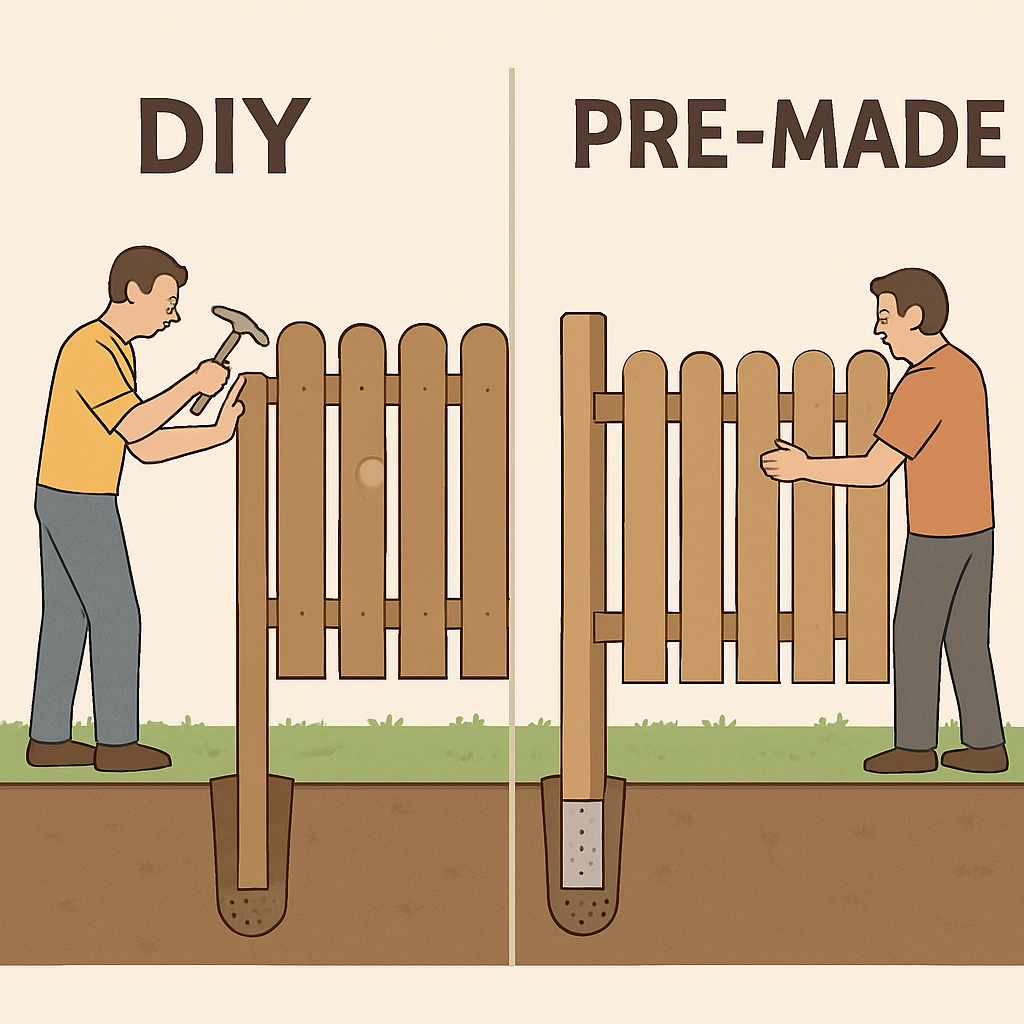
Is it cheaper to build or buy a fence?
Deciding between building or buying a fence can be challenging. Each option has its own set of benefits and drawbacks.
Building a fence yourself might save money but requires time and skills. On the other hand, buying pre-made panels offers convenience and speed.
The cost of materials and installation varies widely. Factors like wood, vinyl, or composite materials can influence your decision.
Consider your budget, time, and expertise before making a choice. This guide will help you weigh the pros and cons of each option.
By the end, you'll have a clearer idea of which path suits your needs and budget best.
Build vs Buy Fence: Key Differences
Choosing between building a fence and buying pre-made panels involves several considerations. Each option offers distinct advantages and potential challenges.
Building a fence yourself allows for full customization. You can select every design aspect, from materials to finishes. However, this choice demands significant time investment and skill.
Buying pre-made fence panels offers speed and convenience. These panels can simplify installation but may limit design flexibility. Additionally, the upfront cost may be higher compared to buying raw materials.

Here are key differences to consider when deciding:
- Customization: Complete control with DIY; Limited with pre-made.
- Cost: Usually lower for DIY; Higher for pre-made.
- Time: More for DIY; Less for pre-made.
- Skill Level: Requires expertise for DIY; Minimal for pre-made.
Understanding these differences can guide you in making an informed choice.
Comparing Fence Costs: DIY vs Pre-Made Panels
Fence costs can vary significantly between building yourself and buying pre-made panels. Initially, DIY projects might seem cheaper because you avoid labor costs. However, you must consider the price of tools, materials, and any unforeseen expenses.
On the other hand, pre-made panels offer a fixed cost, making budgeting straightforward. Yet, these panels can be more expensive upfront compared to buying raw materials for a custom build.
Material choice greatly affects the cost, too. For example, a DIY wood fence could be more budget-friendly than purchasing composite panels. Composite fences, while pricier, require less maintenance over time.

Here are some factors influencing costs:
- Material costs: Wood is cheaper; composite is expensive.
- Labor: DIY saves; professionals add cost.
- Maintenance: High for wood; low for composite.
- Tools and equipment: Necessary for DIY; Not for pre-made.
Analyzing these aspects can help determine the best financial choice for your fencing project.
Fence Installation: DIY or Professional?
Deciding between DIY installation and hiring a professional depends on several factors. If you enjoy hands-on projects and have the necessary skills, DIY can be rewarding. Installing a fence yourself offers control over timing and execution.
However, professional installation ensures that your fence is aligned and stable. Experts bring experience and tools that DIY enthusiasts might not possess. They also navigate unexpected issues with ease, preventing potential headaches.
Consider these points when deciding:
- Skill Level: DIY requires knowledge of fence-building techniques.
- Time Availability: DIY demands a significant time investment.
- Potential Challenges: Professionals are prepared for on-site problems.
- Peace of Mind: Pros often offer warranties on their work.
Ultimately, weigh your capabilities against the convenience and assurance a professional service provides.
Material Choices: Wood, Vinyl, and Composite Fence Options
Choosing the right fence material depends on budget and purpose. Wood, vinyl, and composite are popular options, each with pros and cons. Understanding these can guide your decision.
Wood is classic and offers a natural look. It provides good privacy and can be customized. However, it needs regular maintenance to prevent rot and insect damage.
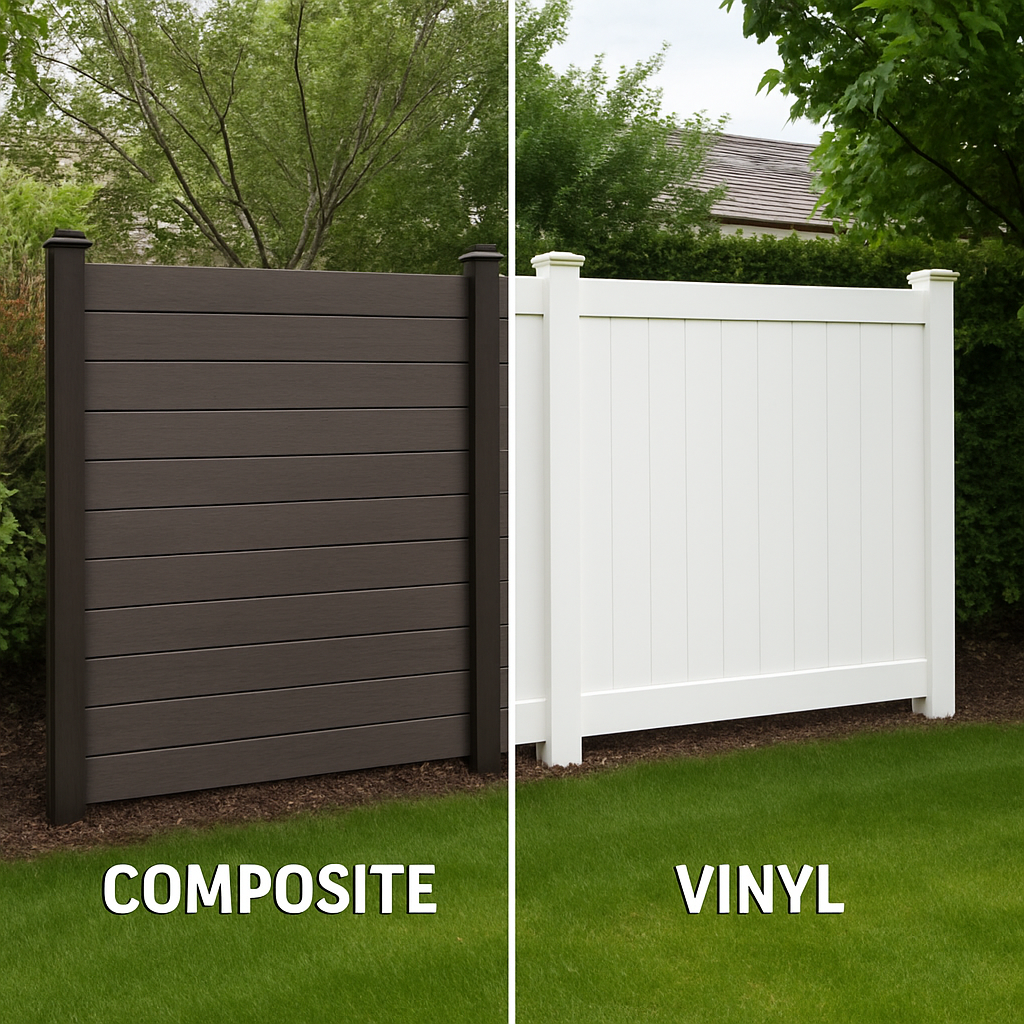
Vinyl fences are low-maintenance and long-lasting. They resist pests and don't require painting. On the downside, they may lack the aesthetic warmth of wood. Their initial cost can be higher as well.
Composite fences blend wood fibers with plastic. They are durable, requiring minimal upkeep and offering a wide range of styles. Their environmental impact is lower as they often use recycled materials.
Consider these material factors:
- Aesthetic Preference: How will the material look on your property?
- Maintenance Needs: Evaluate future upkeep and associated costs.
- Initial Expense: Weigh the upfront cost versus long-term benefits.
 Selecting the right material involves balancing cost, aesthetics, and maintenance to meet your needs.
Time, Tools, and Skills Needed
Building a fence requires a commitment of time and resources. DIY enthusiasts must evaluate if they have the necessary time available for construction. Depending on the fence size and complexity, projects can last anywhere from a weekend to several weeks.
Essential tools for a DIY fence project include a post hole digger, level, saw, and drill. These tools ensure precise measurements and sturdy construction. Renting some of these tools might be an option to consider if purchasing them is not feasible.
Skills play a crucial role in a successful fence build. Understanding post setting, alignment, and spacing is important. Additionally, general carpentry skills can significantly ease the process. Before starting, assess your readiness with this checklist:
- Time: Can you allocate sufficient time for your project?
- Tools: Do you own or can you rent the necessary tools?
- Skills: Are your carpentry skills adequate for this job?
Balancing time, tools, and skills can make DIY fence building both efficient and rewarding.
Maintenance and Long-Term Value
When deciding on a fence, consider how much maintenance it will need. Some materials require more upkeep than others. Wood, for instance, might need painting or sealing every few years to prevent weather damage.
Long-term value is another important factor. A well-maintained fence can boost property value. It also adds to the home's visual appeal and functionality. It's essential to weigh initial costs against future savings from low maintenance.
Choose a fence material that aligns with your desired maintenance level. Here’s what to consider:
- Wood: Regular sealing and inspection for rot or pests.
- Vinyl: Low maintenance, occasional cleaning needed.
- Composite: Highly durable, minimal upkeep required.
These aspects can help maintain your fence's condition and extend its lifespan.
Customization, Design, and Curb Appeal
A custom-built fence offers a wide range of design options. You can select specific materials, colors, and heights that match your home's style. Customization can significantly enhance your property's curb appeal.
Pre-made panels, however, may limit design choices. Here's what to consider regarding design and customization:
- Custom-built: Unique designs, tailored to property.
- Pre-made: Limited styles, standardized sizes.
Custom designs might take more time but can better reflect personal taste and increase property value.
When to Build and When to Buy: Making the Right Choice
Deciding to build or buy depends on various factors. Consider the time you have and your budget constraints. Personal preference plays a significant role, too.
Here’s how to decide:
- Build: You have DIY skills, seek customization, and want to save on costs.
- Buy: You need quick installation, prefer professional help, and have a larger budget.
Evaluate these aspects to make an informed choice for your fencing needs.
Conclusion: Which Option is Cheaper for You?
Ultimately, the cheaper option between building and buying a fence depends on your specific needs and circumstances. Evaluate the costs and weigh them against your budget and timeline.
If cost-efficiency and personalized design are your priorities, building might be your best choice. Alternatively, if time and ease are more vital, purchasing pre-made panels could be the better investment. Assess your situation to find the optimal solution for your fencing project.


Leave a comment
This site is protected by hCaptcha and the hCaptcha Privacy Policy and Terms of Service apply.