
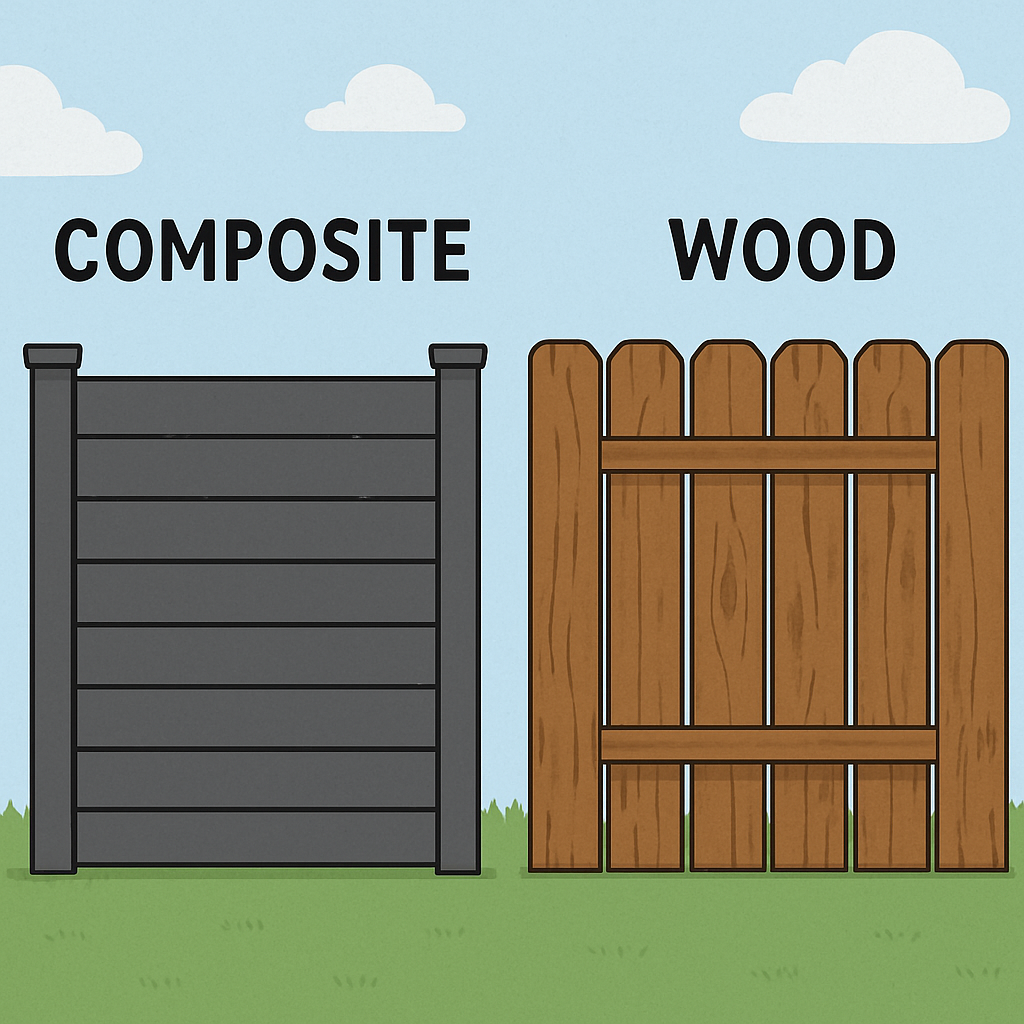
Will a Composite Fence Warp or Crack Over Time?
Composite fencing is gaining popularity among homeowners and developers. It offers a modern alternative to traditional wood fencing. But how durable is it over time?
Many wonder if composite fences will warp or crack. These concerns are valid, especially when considering long-term investments. Understanding composite fence durability is crucial.
Composite fences are made from a blend of wood fibers and plastic. This combination aims to mimic wood's appearance while enhancing durability. But does it truly stand the test of time?
In this article, we'll explore the durability of composite fencing. We'll compare it to wood and discuss its resistance to warping and cracking. Discover if composite fencing is the right choice for your property.
What Is Composite Fencing? An Overview
Composite fencing combines wood fibers and plastic materials. This mix results in a sturdy and appealing fencing option. Many choose it for its balanced look and durability.

The key advantage of composite fences is their resistance to common fence issues. They don't crack, split, or warp easily. This makes them a reliable choice for long-term projects.
Composite fencing is versatile, suiting various styles and colors. Homeowners can select options that complement their properties. It's designed to mimic the charm of wood without its drawbacks.
Benefits of Composite Fencing:
- Durability: Less prone to wear and tear.
- Low Maintenance: Requires minimal upkeep compared to wood.
- Aesthetic Appeal: Offers a wide range of styles and colors.
- Eco-Friendly: Often made with recycled materials.
By choosing composite fencing, homeowners invest in a durable and attractive solution. It's crafted to overcome the challenges traditional materials face.
Composite vs Wood: Durability and Longevity
Composite fencing and wood fences may look similar, but their durability differs significantly. Wood, a traditional choice, requires regular care. It's prone to warping, cracking, and decaying over time, especially in moist conditions.

Composite fencing, however, excels in durability. It resists warping, cracking, and insects. This makes it a strong contender in long-lasting fencing options. Many homeowners favor it for these reasons.
Wood fences need consistent maintenance, such as staining or painting. These efforts aim to preserve their appearance and condition. Composite fencing, on the other hand, is relatively maintenance-free.
Key Comparisons:
- Durability: Composite outlasts wood with fewer issues.
- Maintenance: Composite requires less maintenance and fewer repairs.
- Longevity: Composite offers longer life, often 25-30 years.
While composite fences have a higher upfront cost, they offer savings over time. The reduced need for maintenance and repairs makes them a cost-effective choice. Opting for composite means investing in a fence that remains beautiful and durable for many years.
Will a Composite Fence Warp or Crack Over Time?
A common concern about composite fencing is whether it will warp or crack. Unlike wood, which often shows signs of weather damage, composite materials are specifically engineered to resist such issues.

The blend of wood fibers and plastic in composite fencing forms a sturdy shield. This mixture ensures that composite fences stay straight and intact, even in challenging weather. They show resilience, particularly in areas with fluctuating temperatures or high humidity.
Key Benefits of Composite Fencing:
- Warping Resistance: Built to remain straight through temperature changes.
- Crack Prevention: Durable materials prevent splitting and cracking.
- Consistent Appearance: Maintains look without the defects seen in wood.
Manufacturers design composite fencing with weather variations in mind. The plastic components help it withstand moisture exposure without absorbing it, which reduces the likelihood of warping. As a result, composite fences hold their shape and structure far better than traditional wood fences.
Another advantage is that composite fences do not splinter. This safety feature makes them ideal for families with children or pets. By choosing composite fencing, you’re choosing a product built for durability, designed to endure the test of time, and mostly free of the problems that plague standard wood fencing.
Factors That Affect Composite Fence Durability
The longevity of a composite fence depends on several key factors. Proper installation is crucial. A well-installed fence is less likely to face structural issues.

Environmental conditions also play a role. Composite fences are built to withstand harsh weather, but certain climates can still impact their durability over time.
Key Factors Influencing Durability:
- Installation Quality: Proper setup enhances long-term stability.
- Climate: Extreme weather can test durability.
- Material Quality: Higher quality materials offer better resilience.
The quality of materials used in manufacturing significantly affects durability. Higher-grade composites tend to resist wear and tear more effectively.
Lastly, while composite fences require minimal maintenance, regular care can prolong their lifespan. Simple cleaning can prevent mold buildup, contributing to a long-lasting fence. Investing in a good quality composite and ensuring proper installation will increase the fence’s lifespan and keep it looking pristine for years.
Weather Resistance: How Composite Fencing Handles the Elements
Composite fencing is well-suited to tackle various weather conditions. Its blend of wood fibers and plastic makes it resilient against the elements. Unlike wood, it won't swell or warp when exposed to moisture.

High temperatures won't easily affect composite fencing, either. The plastic component protects it from cracking during temperature fluctuations. This quality ensures the fence maintains its form during hot summers and harsh winters.
Benefits of Composite Fencing in Weather:
- Moisture Resistance: Prevents swelling and warping.
- Temperature Resilience: Stays intact in temperature changes.
- UV Protection: Resists fading from sun exposure.
The UV-resistant nature of composite materials prevents the colors from fading over time. This feature helps the fence look vibrant, even after years of direct sunlight exposure. Such weather endurance makes composite fencing a reliable choice for both hot and cold climates, offering peace of mind for homeowners.
Maintenance Requirements: Composite vs Wood
Composite fencing is known for requiring minimal maintenance. This appeals greatly to busy homeowners. Unlike wood, it doesn't need regular staining or sealing to maintain its look.

Cleaning a composite fence is straightforward. A simple wash with soap and water is often sufficient. There's no need for harsh chemicals or laborious cleaning routines.
Key Maintenance Differences:
- Composite: Soap and water cleaning, low upkeep.
- Wood: Regular staining, more frequent repairs.
- Composite: Minimal weather-related maintenance.
Wood fences, on the other hand, demand more attention. They need periodic treatments to avoid rotting and insect damage. Staining or painting is essential to keep them looking fresh.
Overall, the reduced maintenance needs of composite fences make them a cost-effective option in the long run. They save time and effort, allowing homeowners to enjoy their beautiful fence without constant upkeep.
Common Issues and How to Prevent Them
Composite fences generally withstand the test of time, but certain issues can arise. One potential problem is surface scratching. Although rare, it can occur if heavy objects or sharp tools make contact.

Mold and mildew might develop in excessively damp locations. While composite is less susceptible than wood, moisture can still cause issues. Regular cleaning and allowing proper airflow can help prevent this.
Tips for Prevention:
- For Scratches: Avoid using sharp tools near the fence.
- For Mold: Ensure good drainage.
- For General Care: Clean regularly to remove debris.
Discoloration is another concern, though less so than with wood. Over time, UV rays may cause slight fading. Choosing a composite with UV protection can minimize this effect. By following preventive measures, common issues can be effectively managed, ensuring your fence retains its beauty for years.
Cost vs Value: Is Composite Fencing Worth It?
Investing in a composite fence requires upfront costs that may be higher than traditional wood. However, the long-term benefits often justify the initial expense. With minimal maintenance and extended durability, composite fencing becomes cost-effective over time.

The true value lies in its resilience and low upkeep. Unlike wood, which needs frequent staining and repairs, composite remains largely hassle-free. These savings accumulate, making it a wise investment for homeowners.
Key Considerations:
- Initial Cost: Higher than wood.
- Maintenance: Very low, reducing long-term expenses.
- Durability: Longer lifespan ensures continual value.
Composite fences offer reliable performance and aesthetic appeal. Their enduring nature and reduced maintenance needs make them a prudent choice for homeowners seeking enduring value.
Eco-Friendly and Sustainable Fencing Options
Composite fencing is an eco-friendly choice due to its use of recycled materials. By blending wood fibers and plastic, it reduces landfill waste. This sustainable approach not only benefits the environment but also conserves resources.

Choosing composite over traditional wood supports environmental responsibility. Its production often involves less energy, contributing to its eco-friendly reputation. The durability of composite fencing further reduces the need for replacement, enhancing its sustainability.
Eco-Friendly Features:
- Recycled Materials: Uses reclaimed wood and plastics.
- Resource Conservation: Less energy in production.
- Longevity: Fewer replacements, less waste.
Composite fencing represents a forward-thinking choice for those committed to sustainable living. Its environmental benefits make it an appealing option for eco-conscious homeowners.
Conclusion: Is Composite Fencing the Right Choice for You?
Composite fencing offers durability and low maintenance, making it a smart investment. Its resistance to warping and cracking supports its long-lasting nature. Homeowners seeking a hassle-free and sturdy option will benefit from composite materials.
Beyond durability, composite fences are eco-friendly and come in versatile styles. Their cost-effectiveness over time reinforces their appeal. If you value sustainability and longevity, composite fencing could be your ideal solution. It's a modern answer to classic fencing woes, providing peace of mind and enduring beauty.


Leave a comment
This site is protected by hCaptcha and the hCaptcha Privacy Policy and Terms of Service apply.