
Choosing the Right Fence Panels for Your Yard
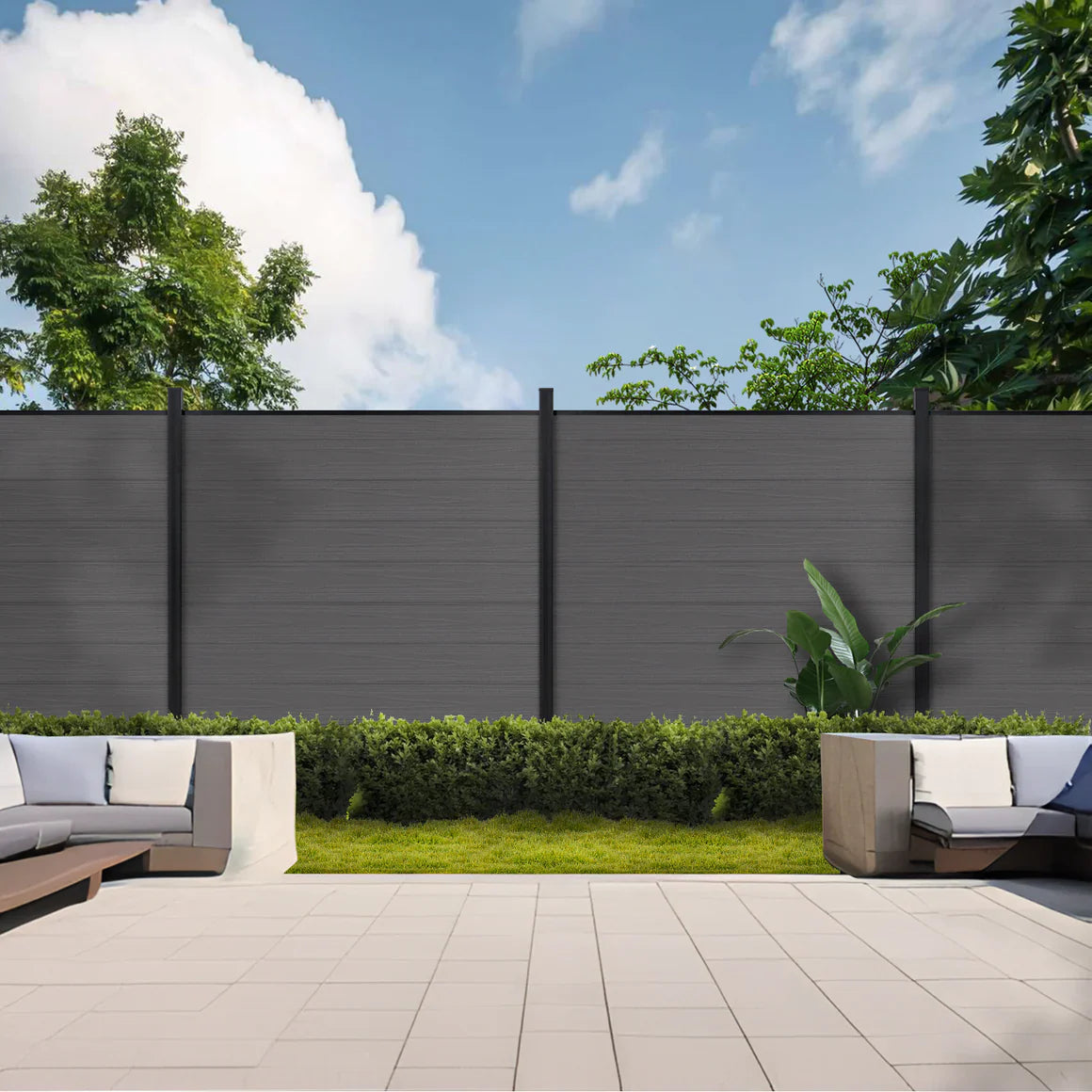
Choosing a new fence can feel overwhelming, but most options are pre-built fence panels designed to simplify the process. Think of them like large LEGO walls: instead of building piece by piece, you connect finished sections, making installation much faster. This guide will help you pick the right panel for your yard and budget.
Wood, Vinyl, or Composite: Choosing Your Material
When you're in the fence aisle, the biggest decision is the panel material. The classic choice is wood, typically pressure-treated pine. This means the wood is chemically treated to resist rot and insects, giving a well-maintained fence a lifespan of 15 to 20 years. While it offers a natural look at a lower upfront cost, it requires regular staining or sealing.
If you dislike the thought of future maintenance, vinyl fencing is a set-it-and-forget-it solution. Made from durable plastic (PVC), these panels will never rot or need painting. A quick spray with a hose is all the cleaning they ever need. The trade-off is a higher initial price and a uniform, manufactured look.
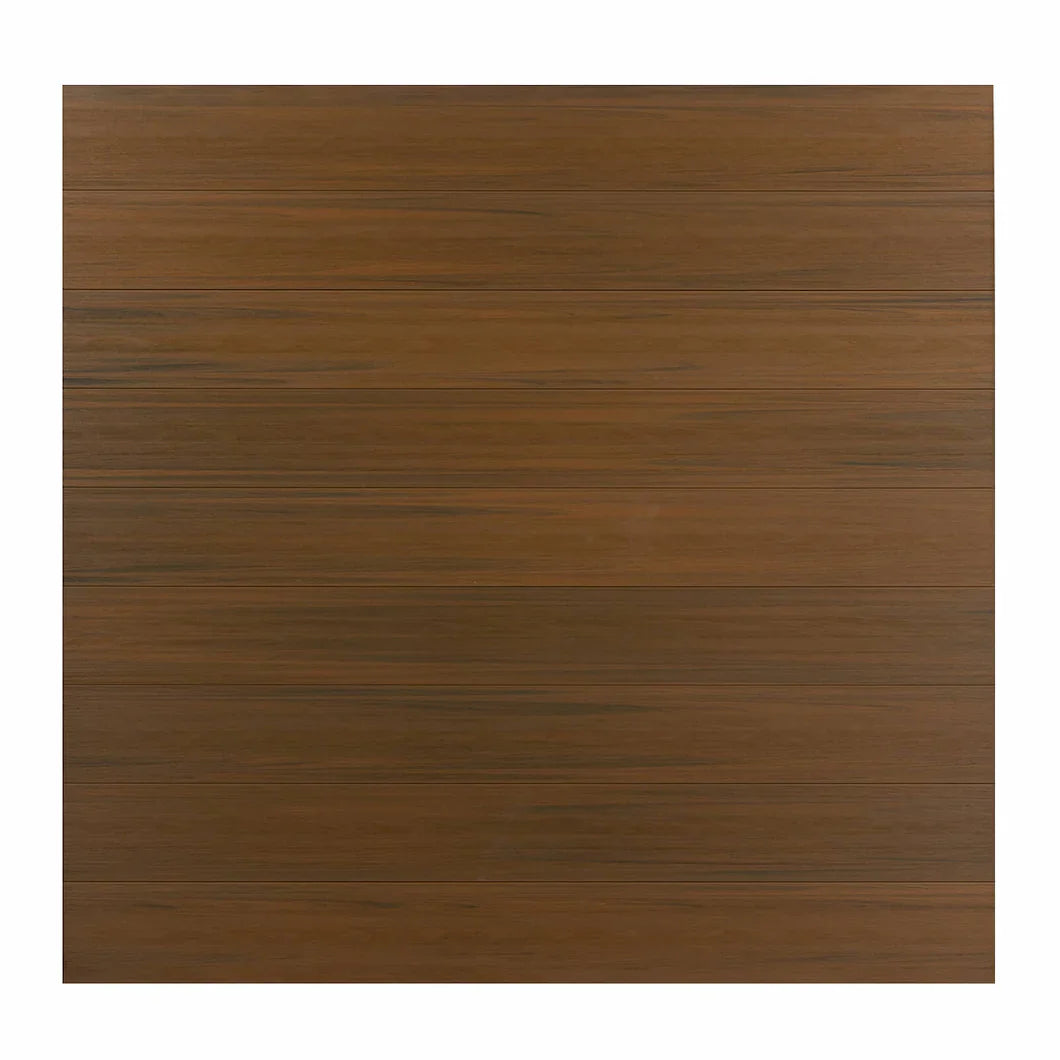
Composite fencing tries to deliver the best of both worlds. These panels are made from a blend of wood fibers and recycled plastic, giving them a rich, wood-like appearance without the need for staining. This blend of low maintenance and high-end looks makes composite the most expensive option.
Quick Comparison:
-
Wood: Low Cost, High Maintenance
-
Vinyl: Medium Cost, No Maintenance
-
Composite: High Cost, Low Maintenance
How to Choose Panels That Won't Rattle or Rot
Beyond the material, the panel's construction has a huge impact on its strength. The most common style, the Lap Panel, uses thin horizontal slats that often rattle in the wind. For a sturdier fence in windy areas, choose Feather Edge panels instead. Their thicker, overlapping vertical boards are much stronger and quieter.
To completely stop fence panels from rattling, consider upgrading what holds them up. While wood posts are standard, Concrete Posts are a rock-solid solution. Their sheer weight and slotted design grip panels tightly, eliminating movement. As a major bonus, concrete posts will never rot, guaranteeing your fence foundation will last for decades.
Finally, if you’re choosing wood, a Gravel Board makes a huge difference. This is a plank of concrete or treated wood that sits on the ground, lifting your fence panel just clear of the damp soil. This simple barrier is the best way to prevent your investment from rotting from the bottom up.
Your 3-Step Plan for Buying the Right Fence Panels
Now that you understand the key differences, you can choose with confidence. Before you measure your yard (most standard panels are 6ft wide), use this simple plan to find your perfect match.
-
Your Goal: Privacy, decoration, or security?
-
Your Material: Low-cost wood or no-maintenance vinyl/composite?
-
Your Style: Standard panels or a sturdier style for windy spots?
With these answers, you can walk into any store ready to build your boundary.


Leave a comment
This site is protected by hCaptcha and the hCaptcha Privacy Policy and Terms of Service apply.