
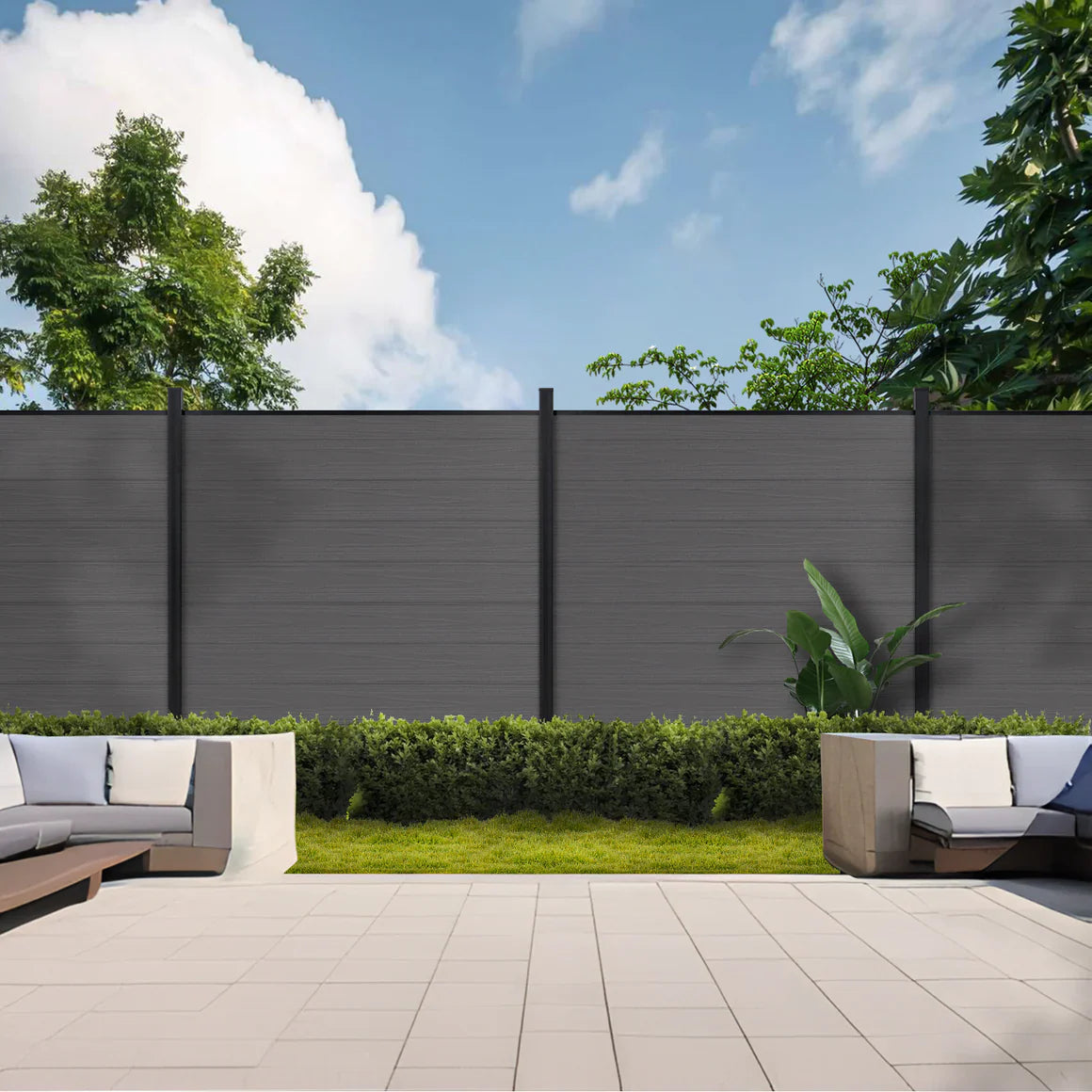
How high is a privacy fence?
Privacy fences are essential for creating a secluded outdoor space. They offer security and peace of mind. But how high should a privacy fence be?
Choosing the right height is crucial. It affects privacy, aesthetics, and even local regulations. Most privacy fences range from 4 to 8 feet tall.
A 6-foot fence is common for residential areas. It balances privacy and cost. An 8-foot fence offers more seclusion but may need special permits.
Local rules can dictate maximum heights. Homeowner associations often have specific guidelines. It's important to check these before installation.
The height of your fence can also impact your garden. Taller fences may block sunlight or wind. Consider your garden's needs when deciding on fence height.
Understanding privacy fence height options helps you make an informed choice. This guide will explore all aspects of privacy fence heights.
What Is a Privacy Fence and Why Does Height Matter?
A privacy fence is a barrier designed to shield your property from prying eyes. It serves various purposes—privacy, safety, and property boundary definition.
Height is crucial because it determines the effectiveness of the fence. Taller fences offer more seclusion but may impact aesthetics and light.
Consider why you need a fence:
- Privacy
- Security
- Noise reduction
Each purpose demands different height considerations.

A 4-foot fence might suit a front yard, offering moderate privacy. In contrast, a backyard may benefit from a taller barrier. Height influences both visibility and security levels.
Taller privacy fences can block more than just views. They can reduce noise and protect against wind. However, they may also require more support to withstand weather conditions. Understanding these factors is key when choosing the perfect height for your needs.
Standard Privacy Fence Heights: What Are Your Options?
Privacy fences typically range from 4 to 8 feet tall. The most common heights are 6 and 8 feet, each with unique benefits.
A 6-foot fence is a popular choice for residential areas. It offers a balance of privacy and cost-effectiveness. This height generally suffices for most suburban backyards.
An 8-foot fence provides enhanced privacy and security. This extra height can deter potential intruders and block more noise. However, taller fences often require permits and may face neighborhood restrictions.
For those considering shorter options, a 4-foot fence might suffice in front yards. It offers visibility while still defining property boundaries. Yet, it may not provide much privacy.
Here’s a summary of your height options:
- 4 feet: Front yard boundary, visibility
- 6 feet: Standard backyard privacy
- 8 feet: Enhanced privacy, noise reduction

Choosing the correct height involves balancing needs, aesthetics, and regulations. The surrounding landscape and topography can also influence your decision. Understanding these options can help you select the best height for your property and lifestyle.
6 ft vs 8 ft Fence: Which Height Is Right for You?
Deciding between a 6 ft and 8 ft fence depends on various factors. Consider your primary goals and budget constraints.
A 6 ft fence is typically sufficient for most residential settings. It balances privacy and aesthetics without overwhelming the space. This height often meets the privacy needs of average homeowners.
In contrast, an 8 ft fence offers greater seclusion. This extra height is ideal for properties adjacent to busy roads. It can also help mitigate noise from nearby traffic or neighbors.
Budget can significantly influence your choice. An 8 ft fence generally costs more due to additional materials and labor. This added expense may factor into your decision-making process.
Before deciding, consult local regulations. Some areas may require permits for fences over 6 feet tall. Understanding these requirements will prevent future compliance issues.
Evaluate the following when choosing between 6 ft and 8 ft:
- Security needs
- Privacy concerns
- Noise reduction needs
- Budget constraints
- Local regulations

Ultimately, the choice between a 6 ft vs 8 ft fence hinges on personal preference and practical considerations. Understanding the benefits of each height will guide you to the right decision for your home. Consider your unique circumstances to make the best choice.
Garden Fence Height vs Privacy Fence Height
Garden fences and privacy fences serve different purposes in a landscape. Understanding these differences helps in choosing the best height.
Garden fences are often shorter, ranging from 3 to 4 feet tall. Their main role is to define spaces and protect plants from animals. This height maintains an open feel in the garden while offering basic functionality.
Privacy fences, however, focus on creating secluded spaces. They often stand between 6 to 8 feet tall to ensure ample coverage and security. This added height is crucial for blocking sight lines and enhancing privacy.
Consider the desired level of visibility and ambiance. Each fence type has its unique benefits, depending on your needs:
- Create a cozy garden space
- Block unwanted views
- Define property boundaries
- Ensure protection for plants

When planning your outdoor space, decide what balance of openness, privacy, and aesthetics you prefer. This decision will ensure both functional and visual satisfaction. Understanding your landscaping goals guides you to the ideal solution.
Local Regulations and HOA Rules: What You Need to Know
Privacy fence height is not just a matter of personal preference. Local regulations play a pivotal role in determining how high your fence can be. Many municipalities have specific guidelines regarding fence heights to maintain neighborhood consistency and safety.
Homeowners Associations (HOAs) often impose their own rules on top of local regulations. These can vary drastically between communities. HOA rules can dictate both the maximum and minimum heights allowed for privacy fences. Failure to comply can result in fines or mandated fence adjustments.
Before installing a fence, research the specific regulations in your area. It's crucial to avoid potential legal issues down the road. Contact your local planning office or consult with your HOA for precise information.
Common requirements to consider include:
- Maximum height restrictions
- Permitted materials
- Setback requirements
- Regulations on front vs. back yard fences
Always obtain any necessary permits and approvals before beginning construction. By doing so, you ensure your fence meets all legal criteria and avoids future complications. Acting with knowledge and foresight saves both time and money.
Factors to Consider When Choosing Privacy Fence Height
Selecting the right privacy fence height involves more than just a preference for tall or short barriers. A key consideration is the primary purpose of the fence. Do you need it for privacy, security, or noise reduction? Each purpose may influence how tall the fence needs to be.
Another crucial factor is your property's topography. Uneven ground or slopes might necessitate a taller fence to ensure consistent height and effectiveness. If you have an incline, the visible height of the fence from the bottom might be less than anticipated.
Budget constraints also play a role in determining fence height. Taller fences generally cost more due to additional materials and labor. It's wise to balance your needs with available funds to avoid financial strain.
Aesthetic appeal shouldn't be overlooked. The fence height should complement your property's architecture and landscaping. A towering fence can feel imposing, while shorter ones might appear more inviting.
Here's a concise list of considerations:
- Purpose (privacy, security, aesthetics)
- Budget constraints
- Property topography
- Aesthetic integration
- Potential shading impacts on gardens
By taking the time to evaluate these factors, you ensure that your chosen fence height meets both functional and aesthetic requirements for your home.
Privacy Fence Materials and Their Impact on Height
Different materials can affect the feasibility and cost of varying privacy fence heights. Wood, vinyl, and metal each have unique advantages and considerations. Choosing the right material often depends on the desired fence height and the overall function of the fence.
Wood is a popular choice for its classic look and versatile design options. It generally works well for heights up to 8 feet. However, taller wooden fences might need more structural support to withstand strong winds and weather conditions.
Vinyl is another material that is gaining traction due to its durability and low maintenance. Vinyl is ideal for both six-foot and eight-foot installations. It resists rot, making it a long-term solution for many homeowners.
Metal fences, such as those made from steel or aluminum, offer impressive strength and are less likely to warp or sag over time. They are excellent for high fences but may come at a premium price.
Here are a few key material considerations:
- Wood: Classic, versatile, may need extra support for height
- Vinyl: Durable, low maintenance, cost-effective for various heights
- Metal: Strong, long-lasting, often costlier than others

By assessing these material factors, you can select the best fence type to match your required height and function, ensuring longevity and satisfaction.
Installation Tips for Taller Fences
Installing a taller fence is a task that requires careful planning and precise execution. Proper preparation can help avoid potential pitfalls that can arise with such structures.
First, it's essential to secure the necessary permits before beginning your project. Many localities have regulations regarding fence heights that must be adhered to. Checking this with your local zoning or building department saves time and potential rework.
Once permits are in place, focus on the fence posts. Taller fences, like those around 8 feet, need deeper and more securely anchored posts. Consider using metal posts for added strength and to minimize warping.
Proper spacing is vital to maintaining the stability of the entire structure. Posts typically should be no more than 8 feet apart for adequate support. Ensure you use a level to maintain uniform height throughout.
Here are some key installation tips:
- Secure necessary permits beforehand
- Use deeper and stronger posts
- Maintain proper post spacing
- Check for uniform height
By following these guidelines, your taller fence can stand tall and robust against time and the elements.
Enhancing Privacy Without Adding Height: Creative Solutions
Increasing fence height isn't the only way to boost privacy. Several creative strategies can enhance seclusion without additional height.
One effective method is incorporating plants. Tall shrubs, hedges, and trees can provide natural barriers. This not only increases privacy but also adds aesthetic value.
Another approach is the use of decorative panels or trellises. These can add an artistic touch while obstructing view lines. They easily attach to existing fences or stand independently.
Consider also installing outdoor curtains or bamboo screens. These offer flexibility and charm, as they can be drawn or removed as needed.
Here are some creative solutions:
- Planting tall shrubs or trees
- Using decorative panels or trellises
- Installing outdoor curtains
- Adding bamboo screens

Exploring these options can transform your space into a private retreat without altering fence height.
Cost, Maintenance, and Long-Term Value by Fence Height
Choosing the right fence height affects both initial costs and future expenses. Taller fences generally cost more due to increased materials and labor.
6-foot fences are popular for most homes. They strike a balance between cost and effectiveness. Meanwhile, 8-foot fences, although pricier, offer superior privacy and security.
Maintenance varies by fence height and material. Taller fences can present more challenges. For example, they may require more frequent inspections and repairs due to increased exposure to elements.
Long-term value is crucial. A well-maintained fence of any height can increase property value. It's important to consider initial costs, ongoing maintenance, and potential returns.
Key factors to consider:
- Initial cost vs. privacy gained
- Maintenance requirements based on height
- Longevity and property value impact
Ultimately, the best choice balances budget and lifestyle needs for years to come.
Frequently Asked Questions About Privacy Fence Height
What is the ideal privacy fence height?
The ideal height often ranges from 6 to 8 feet. It largely depends on your specific privacy needs and local regulations.
How can I determine the best height for my fence?
Assess the level of privacy you desire. Consider factors like property size, neighborhood aesthetics, and community guidelines.
Do taller fences provide better noise reduction?
Yes, taller fences block more noise. A solid 8-foot fence can significantly reduce sound from outside your property.
Are there legal limits on how high I can build my fence?
Yes, many areas have restrictions. It's essential to consult local zoning laws or HOA rules before installation.
Does a taller fence require special materials?
Taller fences might need stronger materials for support against wind. Proper materials ensure durability and stability.
What if my neighbor's fence is shorter?
Coordinate with neighbors if possible. Aligning fences enhances visual appeal and neighborhood harmony. Each property may have different needs, so communication is key.
Conclusion: Choosing the Best Privacy Fence Height for Your Needs
Selecting the right height for your privacy fence is crucial. It's not just about privacy but also about enhancing security and aesthetics. A thoughtful choice can add value and enjoyment to your property.
Consider the specific goals you have in mind. Are you primarily focused on privacy, noise reduction, or securing a safe space for kids and pets? The answer will guide your height decision.
Always account for local regulations and community aesthetics. Ensuring compliance with these rules will save time and prevent future headaches. Consulting with a professional can provide valuable insights, ensuring you choose the most suitable height for your needs. Ultimately, a well-chosen fence height contributes significantly to the beauty and functionality of your home environment.

Leave a comment
This site is protected by hCaptcha and the hCaptcha Privacy Policy and Terms of Service apply.