
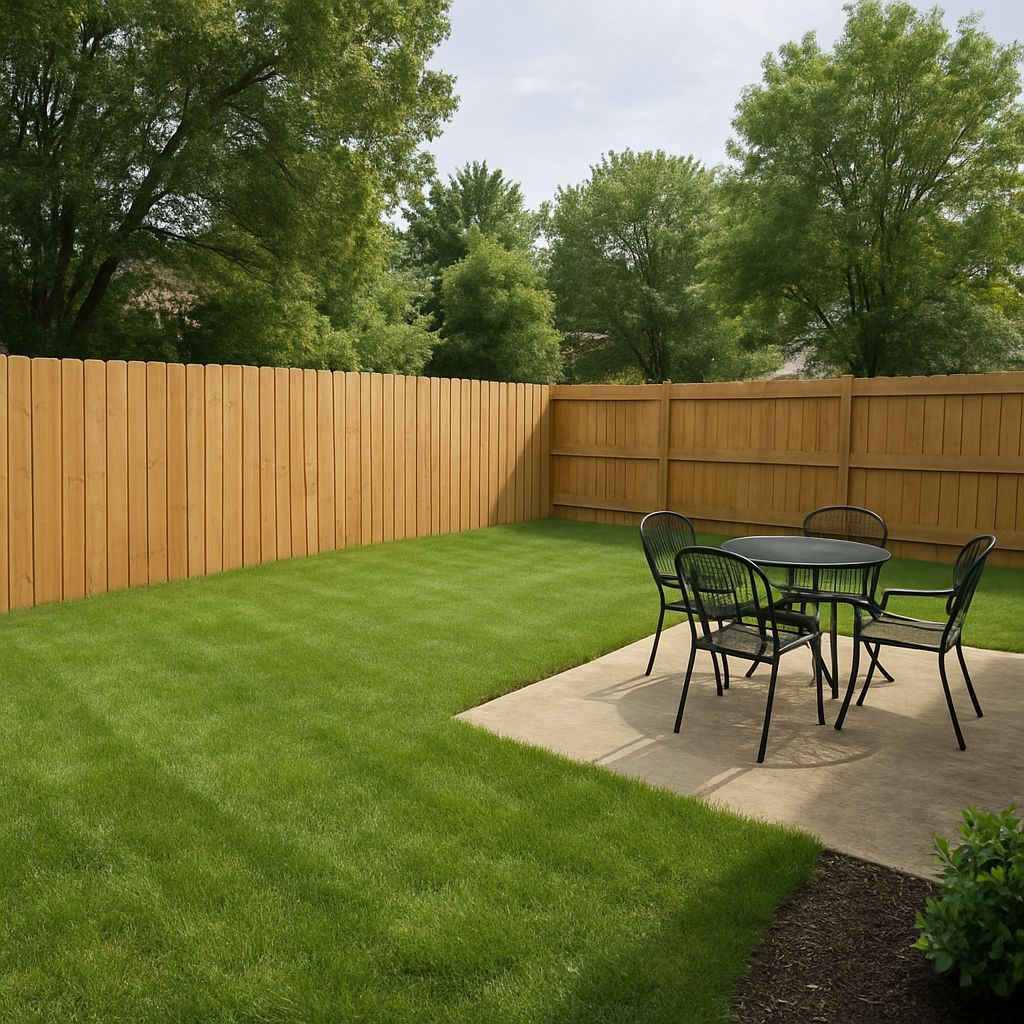
Creative DIY Ideas for Inexpensive Privacy Fences

Privacy fences serve many purposes. They define your property line, providing a clear boundary between your space and your neighbors'. This can be especially important in suburban areas where homes are closely spaced. Beyond demarcation, privacy fences provide a safe and secure space for children and pets to play freely without the risk of wandering into neighboring yards or streets.
Moreover, privacy fences create a serene environment for relaxation by blocking out unwanted sights and sounds, such as traffic noise or nosy neighbors. Whether you're looking to block out noisy neighbors or simply want to enjoy your garden in peace, a well-designed fence can offer the privacy you need. With the right design, these fences can also become a beautiful part of your landscape, adding to the overall appeal of your property.
Cheap Privacy Fence Ideas
Recycled Pallets
One of the most popular and cost-effective options is using recycled pallets. Pallets are often available for free or at a low cost from local businesses. These wooden structures, typically used for shipping, can be easily transformed into a charming and rustic fence, providing a unique look that is both functional and aesthetically pleasing.
-
Gather Materials: Collect enough pallets to cover your desired fence length. Check with local warehouses or stores, as they often have excess pallets they are willing to give away.
-
Prepare the Pallets: Remove any nails or staples and sand them down to avoid splinters. This step is crucial to ensure a smooth finish and prevent injuries.
-
Assemble the Fence: Stand the pallets upright and secure them together using screws or nails. You may choose to stack them or leave gaps for a more open design.
-
Finish Touches: Paint or stain the pallets to enhance their durability and appearance. A coat of weather-resistant sealant can also help prolong the life of your fence.
Bamboo Fencing
Bamboo is a sustainable and affordable material that provides a natural look. It's also incredibly easy to install and has a rapid growth rate, making it an environmentally friendly choice. Its lightweight yet sturdy nature makes it ideal for privacy fencing that doesn’t require a heavy-duty structure.
-
Purchase Bamboo Rolls: Buy bamboo fencing rolls from your local garden center or online. These rolls come in various heights and thicknesses, allowing you to customize your fence to your liking.
-
Install Posts: Place wooden or metal posts at regular intervals along your desired fence line. Ensure these posts are securely anchored to support the weight of the bamboo.
-
Attach the Bamboo: Roll out the bamboo fencing and secure it to the posts using strong wire or zip ties. For added stability, you can double up the layers of bamboo or add horizontal support beams.
Corrugated Metal Panels

For a modern and industrial look, consider using corrugated metal panels. These panels are durable, weather-resistant, and surprisingly budget-friendly. They offer a sleek, contemporary aesthetic that can complement a variety of home styles.
-
Source the Panels: Purchase corrugated metal panels from a hardware store. They come in various colors and finishes, allowing you to tailor the look to your specific taste.
-
Install a Frame: Build a wooden or metal frame to support the panels. This frame should be sturdy enough to withstand wind and other environmental factors.
-
Attach the Panels: Secure the metal panels to the frame using screws designed for metal-to-wood or metal-to-metal applications. Make sure the panels are aligned properly for a neat finish.
Inexpensive DIY Privacy Fence Panels
Lattice Panels
Lattice panels offer an elegant solution without compromising on privacy. They are also versatile and can be customized with climbing plants, providing both visual appeal and additional privacy. Lattice panels are available in various designs, from simple grids to intricate patterns, allowing you to choose a style that complements your home.
-
Choose Your Lattice: Select vinyl or wooden lattice panels based on your preference and budget. Vinyl is low-maintenance and weather-resistant, while wood offers a classic look.
-
Frame the Panels: Create a sturdy frame to hold the lattice securely. This can be done using treated wood to ensure longevity.
-
Install the Panels: Fix the lattice within the frame and secure it along your fence line. You can also add decorative elements like post caps or finials for an enhanced look.
Living Privacy Fences
For those who love greenery, a living privacy fence may be the perfect solution. This option involves using plants to create a natural barrier, providing a lush, vibrant alternative to traditional fences. Living fences not only offer privacy but also contribute to the ecosystem by providing habitat for birds and insects.
-
Select Your Plants: Choose fast-growing plants such as hedges, bamboo, or tall grasses. Consider the climate and soil conditions of your area to select the most suitable species.
-
Plant Strategically: Plant them closely together along your fence line. This will ensure a dense barrier that effectively blocks out unwanted views.
-
Maintain Regularly: Prune and water regularly to maintain the desired height and thickness. Regular maintenance will also keep the plants healthy and vibrant.
How to Build a Cheap Privacy Fence
Planning and Preparation
Before you start building, it's essential to plan your project carefully. A well-thought-out plan will save you time and money and help avoid any construction mishaps.
-
Set a Budget: Determine how much you're willing to spend and choose materials accordingly. Consider both the upfront costs and long-term maintenance expenses.
-
Measure Your Space: Accurately measure the area where you plan to install the fence. This will help you calculate the amount of materials needed and avoid overspending.
-
Check Local Regulations: Ensure you comply with any local building codes or homeowner association rules. Some areas have height restrictions or require permits for fence construction.
Gather Materials and Tools
Depending on the type of fence you choose, you'll need various materials and tools such as:
-
Wooden or metal posts
-
Screws or nails
-
Hammer or drill
-
Level
-
Measuring tape
-
Saw
Ensure you have all the necessary materials and tools before starting your project. This will prevent delays and make the construction process more efficient.
Step-by-Step Construction
-
Mark the Fence Line: Use string and stakes to outline where your fence will go. This will serve as a guide to ensure your fence is straight and aligned correctly.
-
Install Posts: Dig holes and set your fence posts in concrete for stability. Allow the concrete to cure properly to ensure the posts are secure.
-
Attach Panels or Materials: Secure your chosen materials (e.g., pallets, bamboo) to the posts. Double-check the alignment and spacing for a professional finish.
-
Finishing Touches: Paint, stain, or plant around your fence for added beauty and protection. These final details can significantly enhance the overall appearance of your fence.
Tips for a Successful DIY Privacy Fence
-
Safety First: Always wear protective gear and follow safety guidelines when using tools. This includes gloves, safety glasses, and sturdy footwear.
-
Work with a Partner: Having an extra set of hands can make the process smoother and more efficient. A partner can also help with holding materials in place or checking measurements.
-
Weather Considerations: Plan your construction during favorable weather conditions to avoid delays. Avoid working in extreme temperatures or during rain, as these can affect both the materials and your safety.
Conclusion
Building an inexpensive privacy fence can be a fun and rewarding project. By choosing cost-effective materials and following simple steps, you can create a beautiful, private oasis in your backyard. Remember to plan carefully, follow safety guidelines, and let your creativity shine through. Whether you opt for recycled pallets, bamboo, or a living fence, your DIY project will enhance your outdoor living experience. Not only will you enjoy increased privacy, but you'll also add charm and value to your home. With patience and effort, your backyard can become a personal retreat tailored to your style and needs.

Leave a comment
This site is protected by hCaptcha and the hCaptcha Privacy Policy and Terms of Service apply.